The short answer
Fort Greene homeowners should have their chimneys inspected once a year, as the NFPA 211 standard calls for. A more thorough Level 2 inspection is the right choice after a system change, such as an oil-to-gas boiler conversion, or when a home is sold. SummitHearth's certified technicians handle chimney inspections throughout Fort Greene and nearby Brooklyn neighborhoods.
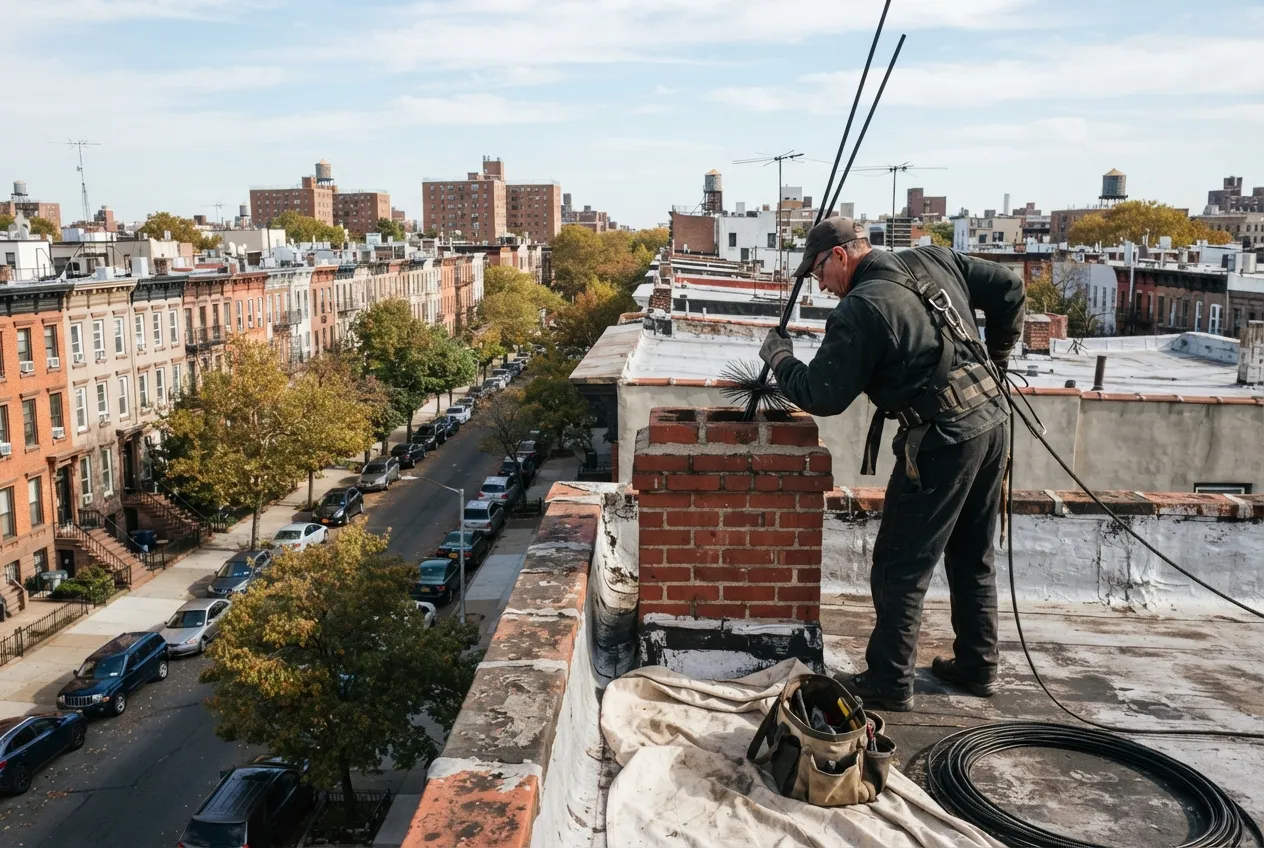
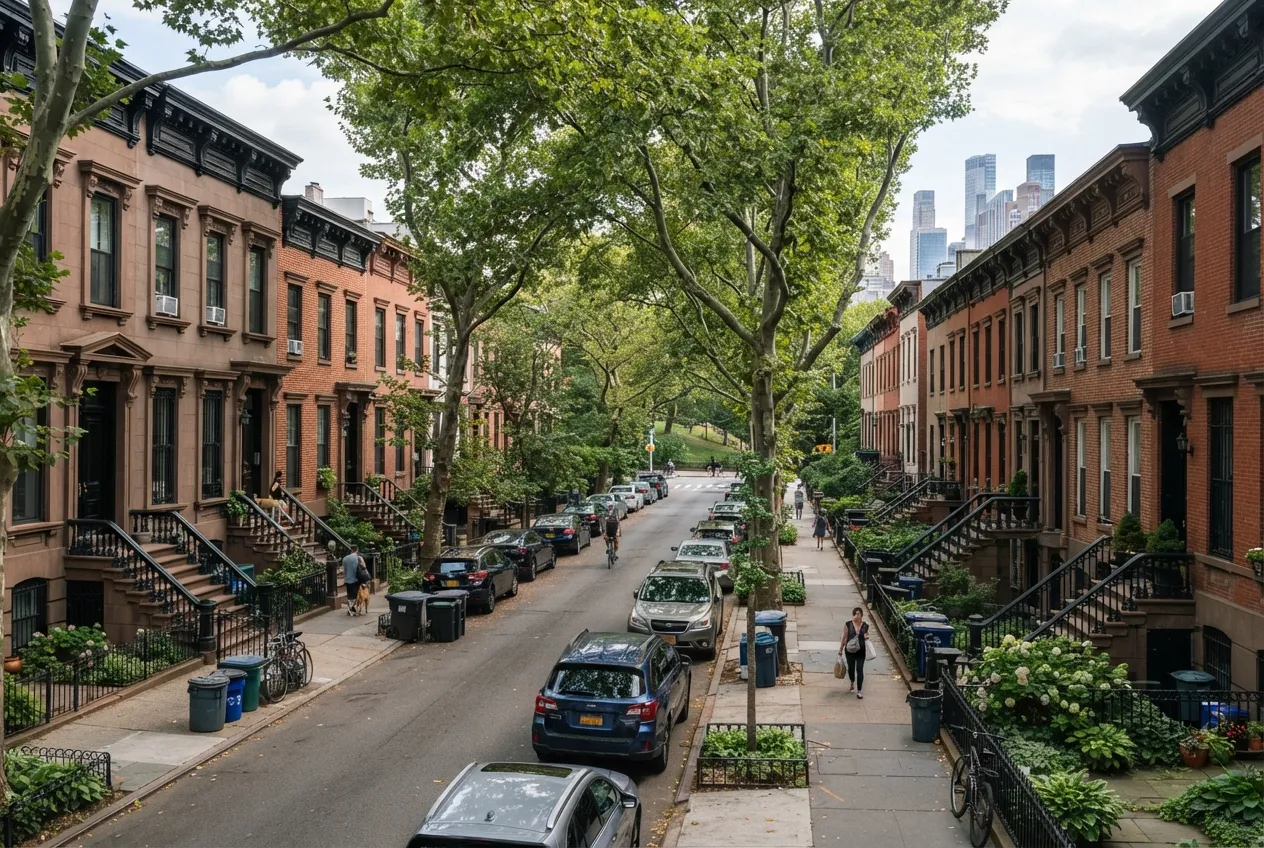
Fort Greene's brownstones, rowhouses and pre-war apartment buildings often have chimneys that have served several generations of heating equipment, from coal to oil to gas. A chimney inspection tells you whether that flue is still doing its basic job of carrying smoke and exhaust safely out of your home. SummitHearth's certified technicians inspect fireplaces, boiler and furnace flues, and vents in homes across the 11205 ZIP code, about a mile east of our Brooklyn office. We explain what we find in plain terms, show you what we saw, and tell you what needs attention now and what can wait.
How Often a Fort Greene Chimney Should Be Inspected
The NFPA 211 standard calls for chimneys, fireplaces and vents to be inspected once a year. That applies whether you burn wood every weekend in winter or only use the chimney to vent a gas boiler or water heater. A flue that nobody looks at can still crack, lose mortar, collect debris or get blocked by nests. Those problems rarely show up until they cause smoke, odors or carbon monoxide concerns.
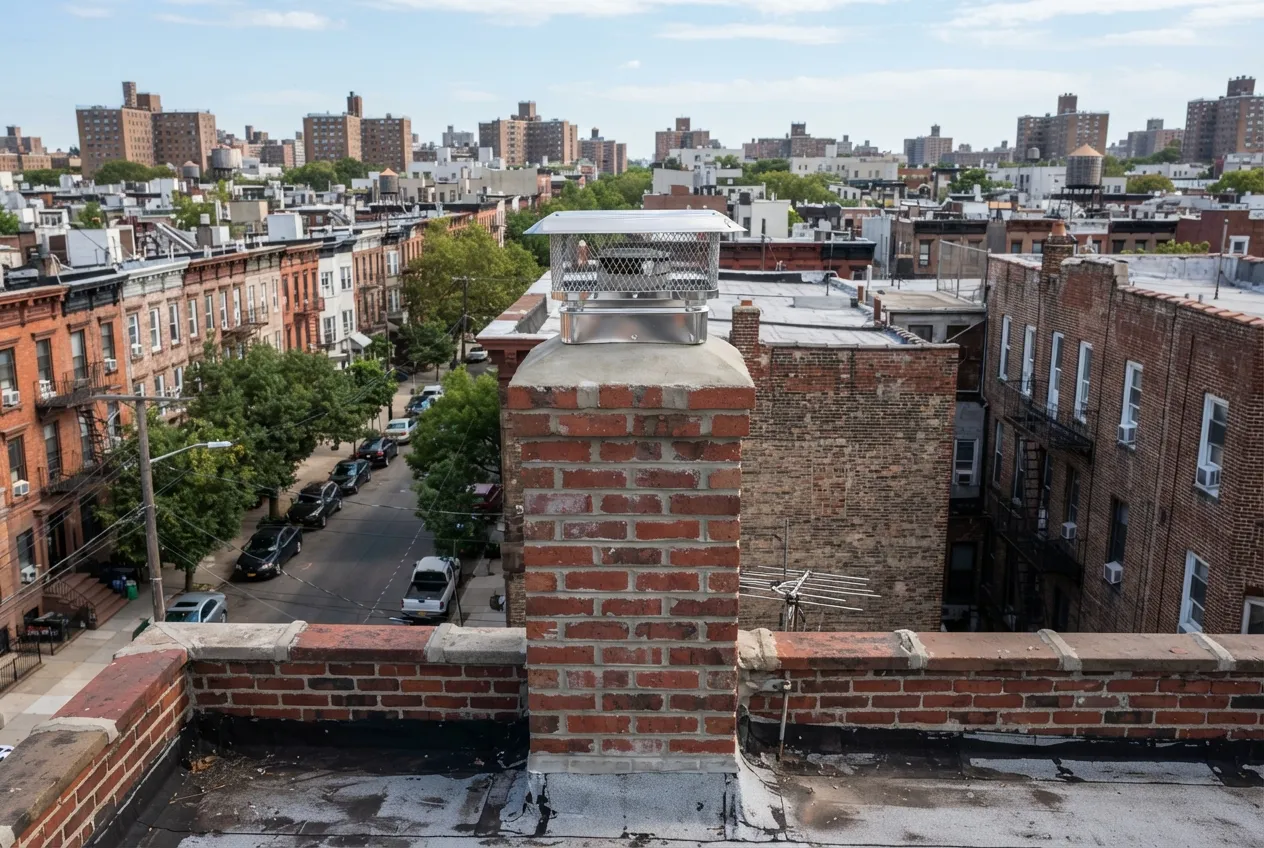
In older Brooklyn masonry, we look closely at mortar joints, flue tiles, the crown and cap, and the flashing where the chimney meets the roof. In attached rowhouses and brownstones, we also pay attention to how the flue runs through the building, because a chimney can pass through several floors and share walls with a neighbor's home.
Choosing the Right Inspection Level
Chimney professionals use three inspection levels. We recommend the one that fits your situation and explain why before we start.
- Level 1: For a chimney in regular use when nothing about the system has changed. We examine the readily accessible parts of the chimney, the fireplace or appliance connection, and the vent.
- Level 2: For when the system changes, such as a new boiler, a new appliance or a switch of fuel, or when the home is being sold. This inspection goes further into accessible areas like attics and basements and includes a closer look at the inside of the flue.
- Level 3: For when a hidden hazard is suspected and the only way to reach it is to open part of the chimney or the building. This is uncommon, and we talk it through with you before any work happens.
Oil-to-Gas Conversions and Chimney Liners
When a New York City building converts its boiler from oil to gas, the chimney has to be evaluated as part of the work. A new liner is often needed, because gas exhaust produces acidic condensate that can corrode a masonry flue over time.
If you own a brownstone or small apartment building and are planning a conversion, an inspection before the new boiler goes in lets you know early whether a liner is likely. That makes it easier to plan with your heating contractor so the chimney is ready when the new equipment is installed, instead of becoming a surprise late in the project.
Time for your annual chimney check?
Timing Your Inspection Around Heat Season
New York City's heat season runs from October 1 through May 31, when building owners must keep apartments heated to the city's minimum temperatures. If you own a multi-unit building, a boiler flue problem discovered in January can put you and your tenants in a difficult position. Booking an inspection in late spring or summer leaves time to schedule repairs before the heat comes back on.
For fireplace owners, an inspection before the first fire of fall is the practical choice. If you have already started using your fireplace and notice smoke spilling into the room, a strong creosote smell, or debris falling into the firebox, stop using it and have the chimney checked.
What to Expect From Your Visit
Before we arrive, it helps to clear the area around the fireplace and make sure we can reach the boiler room, basement or attic where the flue runs. If your building has roof access, let us know how to get there.
After the inspection, we walk you through what we saw and give you a written summary of the chimney's condition along with any recommended cleaning or repairs. If everything looks sound, you will know that too. We also inspect chimneys in nearby Clinton Hill, Downtown Brooklyn, DUMBO, Boerum Hill and Prospect Heights.
More services in Fort Greene
- Chimney Sweep in Fort Greene
- Chimney Repair in Fort Greene
- Air Duct Cleaning in Fort Greene
- Chimney Liner Installation in Fort Greene