The short answer
Many Downtown Brooklyn chimneys have cracked, missing or undersized liners. Oil-to-gas boiler conversions often require a new one because gas exhaust creates acidic condensate that can corrode a masonry flue. SummitHearth inspects the flue first, then installs a correctly sized liner for the appliance it serves.
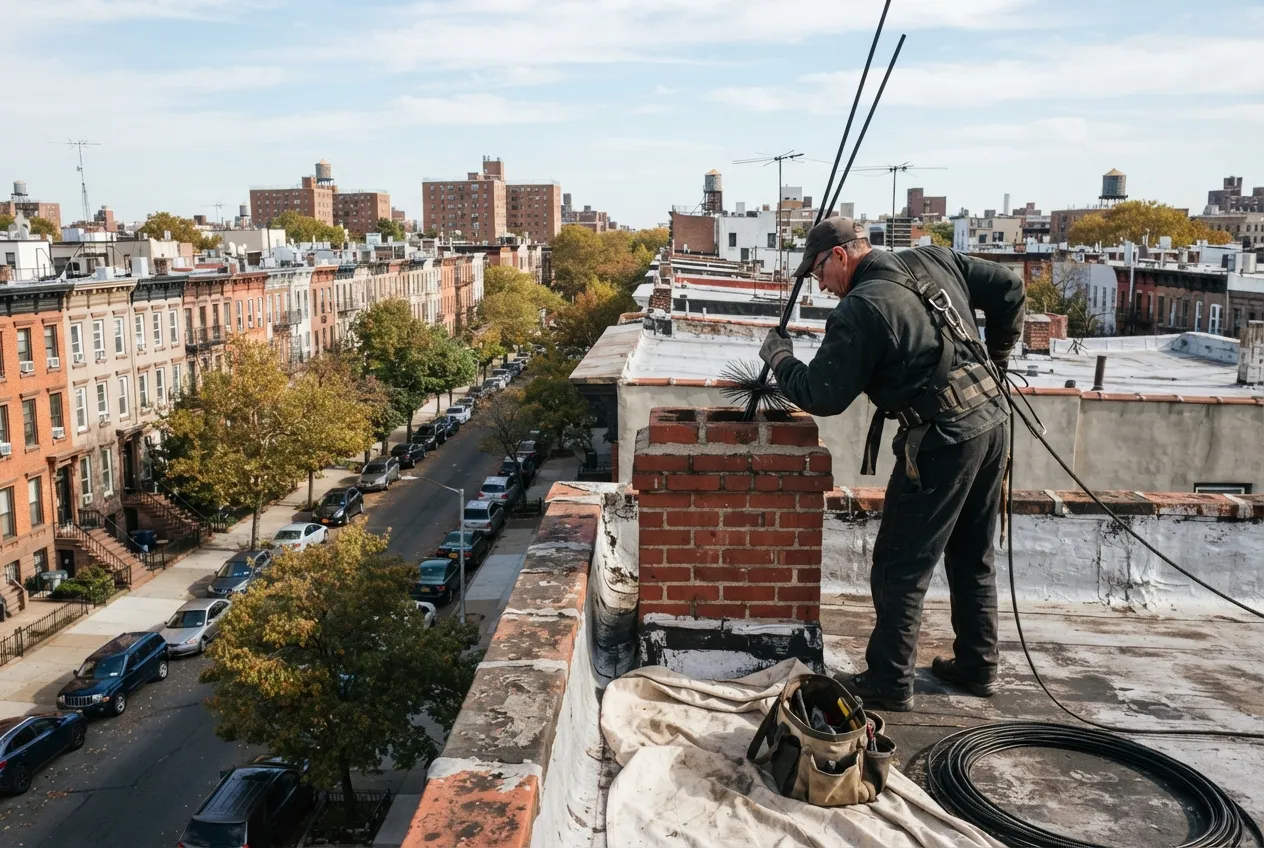
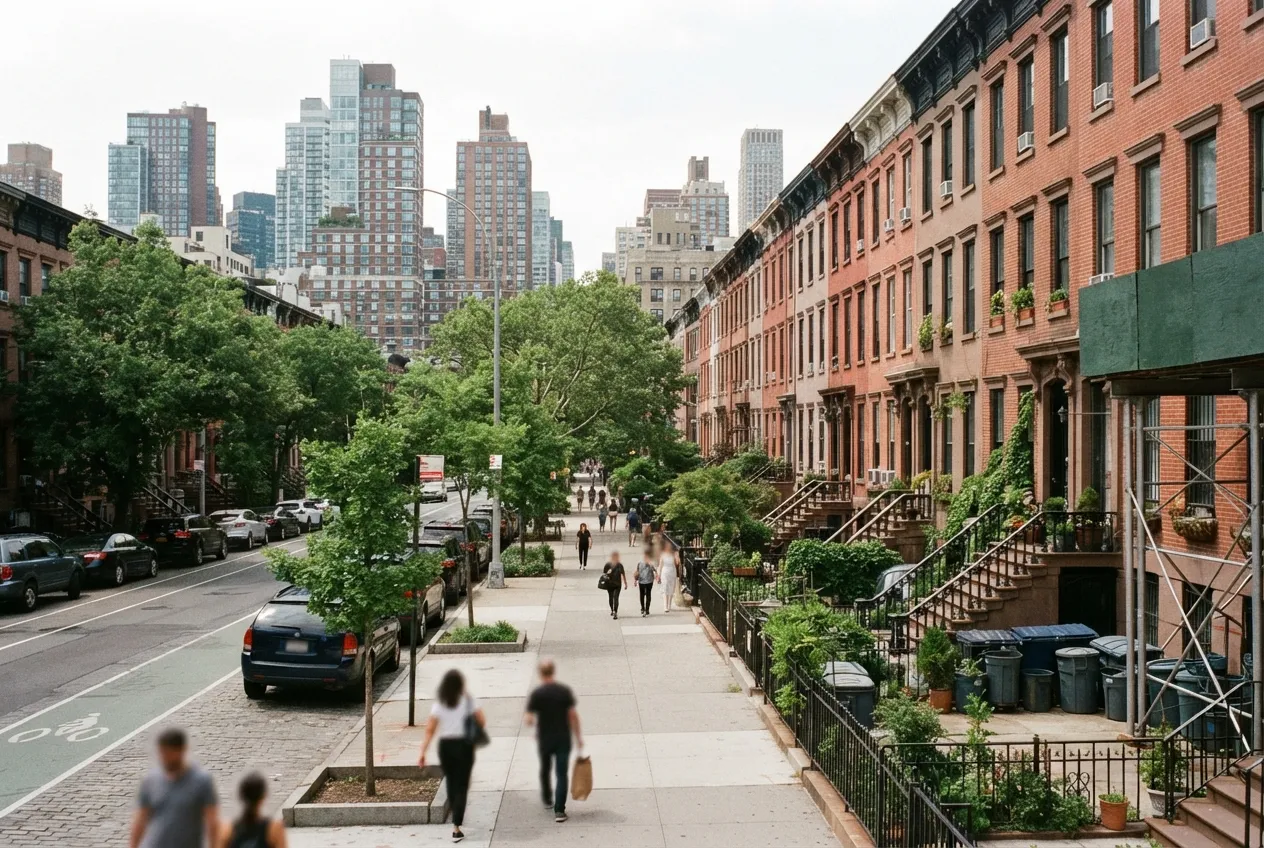
A chimney liner is the protective channel inside your flue. It carries smoke and exhaust gases out of the house and keeps heat and corrosive byproducts away from the surrounding brick and framing. In Downtown Brooklyn, many homes are brownstones, rowhouses and pre-war apartment buildings with original masonry chimneys. Their liners are often cracked, missing, or the wrong size for the heating equipment now connected to them. SummitHearth Chimney Services works out of our office at 451 Fulton St, so homes in the 11201 ZIP code and nearby neighborhoods are close by when a liner needs to be checked, repaired or replaced.
Why Older Downtown Brooklyn Chimneys Often Need New Liners
Many chimneys in the neighborhood were built long before modern gas boilers and high-efficiency water heaters. Original clay tile liners can crack from age, settling or a past chimney fire, and some older flues were built with no liner at all. Gaps in a liner can let heat reach nearby wood and let exhaust seep into the masonry or into living spaces.
In attached rowhouses and brownstones, chimneys often share walls with neighbors, and flues can run several stories through the building. That means the liner's condition affects more than one room, so the full length of the flue should be examined before you choose a repair.
- Pieces of tile, mortar or flaking masonry at the base of the chimney or in the cleanout
- White staining, peeling paint or damp spots on interior walls near the chimney
- Rust or deterioration around the boiler or water heater connection
- A heating contractor saying the flue is not sized correctly for new equipment
- An inspection report noting cracked, offset or missing liner sections
Oil-to-Gas Conversions and Your Chimney
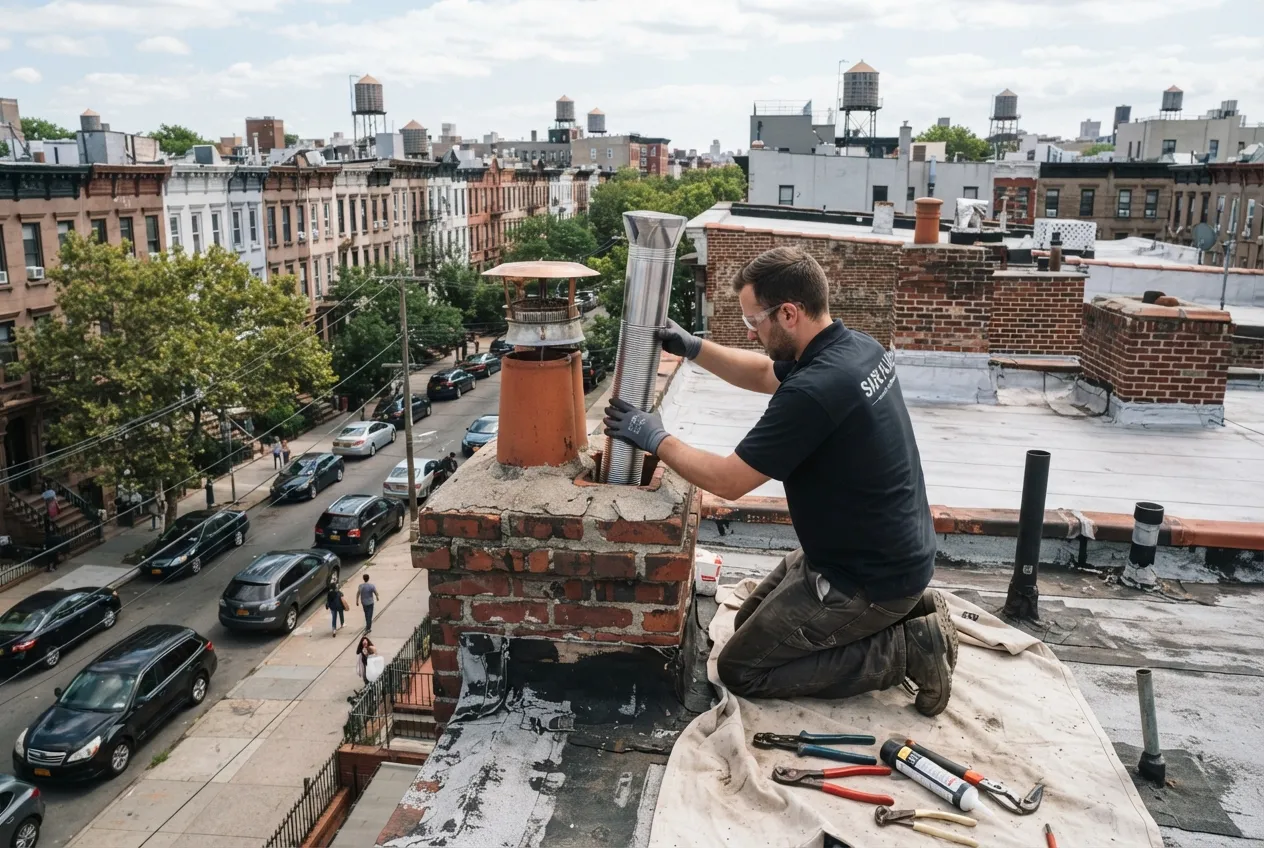
When a New York City building converts its boiler from oil to gas, the chimney has to be evaluated as part of the work. A new liner is often needed because gas exhaust produces acidic condensate that can corrode a masonry flue. Over time that moisture can break down mortar joints and brick from the inside, and the damage can be hard to see until it is advanced.
If your building is planning a conversion, bring us in early. That lets the liner work be coordinated with the boiler installation instead of holding it up at the end.
How We Approach a Liner Installation
Every job starts with an inspection. Under the NFPA 211 standard, a change to the system, such as a new appliance or a switch of fuel, calls for a Level 2 inspection. Chimney professionals typically include a camera look at the inside of the flue at this level. The inspection tells us whether the existing liner can be repaired or needs to be replaced, and what size and type of liner fits the connected appliance.
Our certified technicians work carefully in occupied homes. They protect floors and furnishings around the work area and keep you informed about what is happening on the roof and at the base of the chimney.
- Inspect the chimney and flue, including a video scan of the interior
- Measure the flue and confirm the liner size the appliance needs
- Recommend a liner type, such as stainless steel for many gas and oil appliances, and explain why in plain terms
- Clean the flue and prepare the chimney before installation
- Install the liner, connect it to the appliance, and fit the top with a cap
- Walk you through the finished work and share photos of the result
Time for your annual chimney check?
Planning Around Heat Season
New York City's heat season runs from October 1 through May 31. During that time, building owners must keep apartments heated to the city's minimum temperatures. In multi-unit buildings, a liner problem found in the middle of winter can create real pressure, because the boiler may need to be shut down while the flue is fixed.
Scheduling an inspection in late spring or summer gives you time to plan liner work before the heating system is needed. If a problem turns up during the heating months, we will explain your options and help you plan the work to keep time without heat as short as possible.
Neighborhoods We Serve Near Downtown Brooklyn
Along with Downtown Brooklyn, we install chimney liners in DUMBO, Boerum Hill, Brooklyn Heights, Fort Greene and Clinton Hill. These neighborhoods have much of the same housing: brownstones, rowhouses, converted loft buildings and pre-war apartment buildings. Many of their chimneys have served several generations of heating equipment, and those changes over time are a common reason a liner no longer fits the appliance it serves.
More services in Downtown Brooklyn
- Chimney Sweep in Downtown Brooklyn
- Chimney Inspection in Downtown Brooklyn
- Chimney Repair in Downtown Brooklyn
- Air Duct Cleaning in Downtown Brooklyn