The short answer
The NFPA 211 standard calls for chimneys, fireplaces and vents to be inspected once a year, and Red Hook homes are no exception. SummitHearth's certified technicians perform Level 1, 2 and 3 inspections for houses and buildings in Red Hook and nearby Brooklyn neighborhoods.
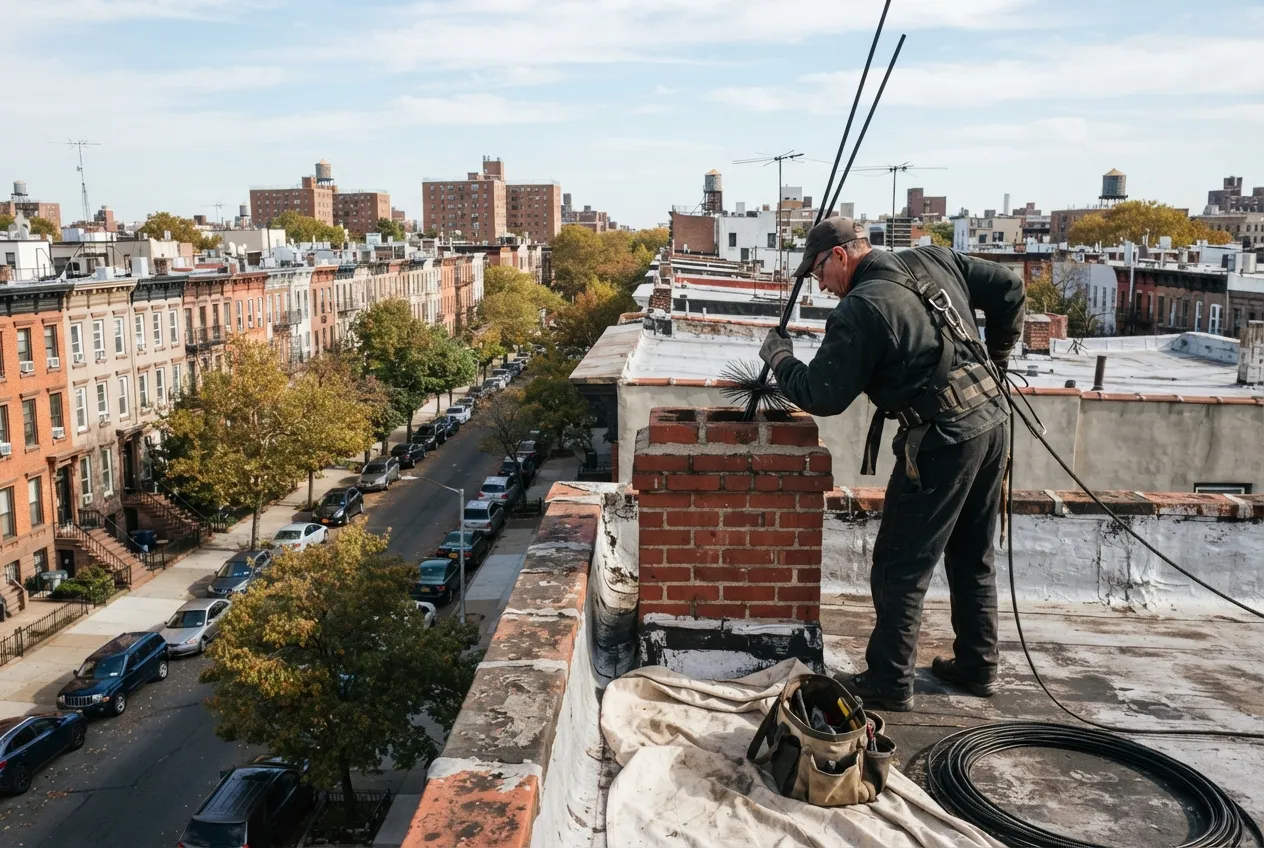
If you own a rowhouse, a small brick home or a pre-war apartment building in Red Hook, your chimney does steady work for most of the year. SummitHearth Chimney Services is about a mile northeast of Red Hook, so our certified technicians can reach homes in 11231 without a long trip across the borough. A chimney inspection tells you whether your flue, liner, masonry and connections are sound before you light a fire or start the boiler. It also gives you a written record of what we found, which helps when you plan repairs, convert fuels or sell.
Why Red Hook Chimneys Need a Yearly Look
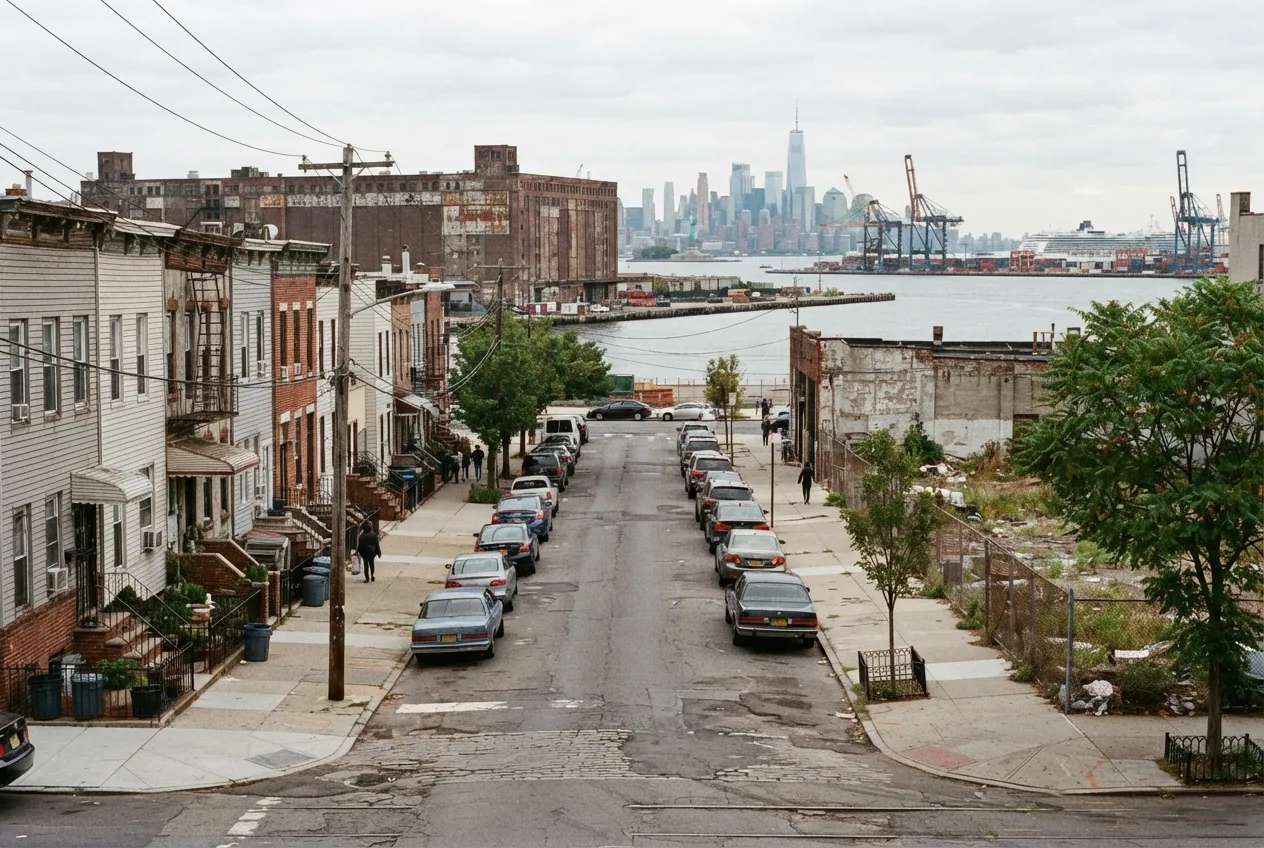
Much of Red Hook's housing is older masonry: brick rowhouses, brownstone-style homes and pre-war walk-ups with chimneys that have served several generations of heating equipment. Many of these flues were built for coal or wood, later carried oil exhaust and may now vent a gas boiler or water heater. Each change puts different stress on the masonry and the liner.
The neighborhood's location near the water adds another factor. Damp air and wind-driven rain work their way into mortar joints, crowns and flashing. Once water gets into brick, freeze-thaw cycles can loosen it from the inside, and the damage often isn't visible from the sidewalk. A yearly inspection catches these changes while they are still small.
The Three Inspection Levels and When You Need Each
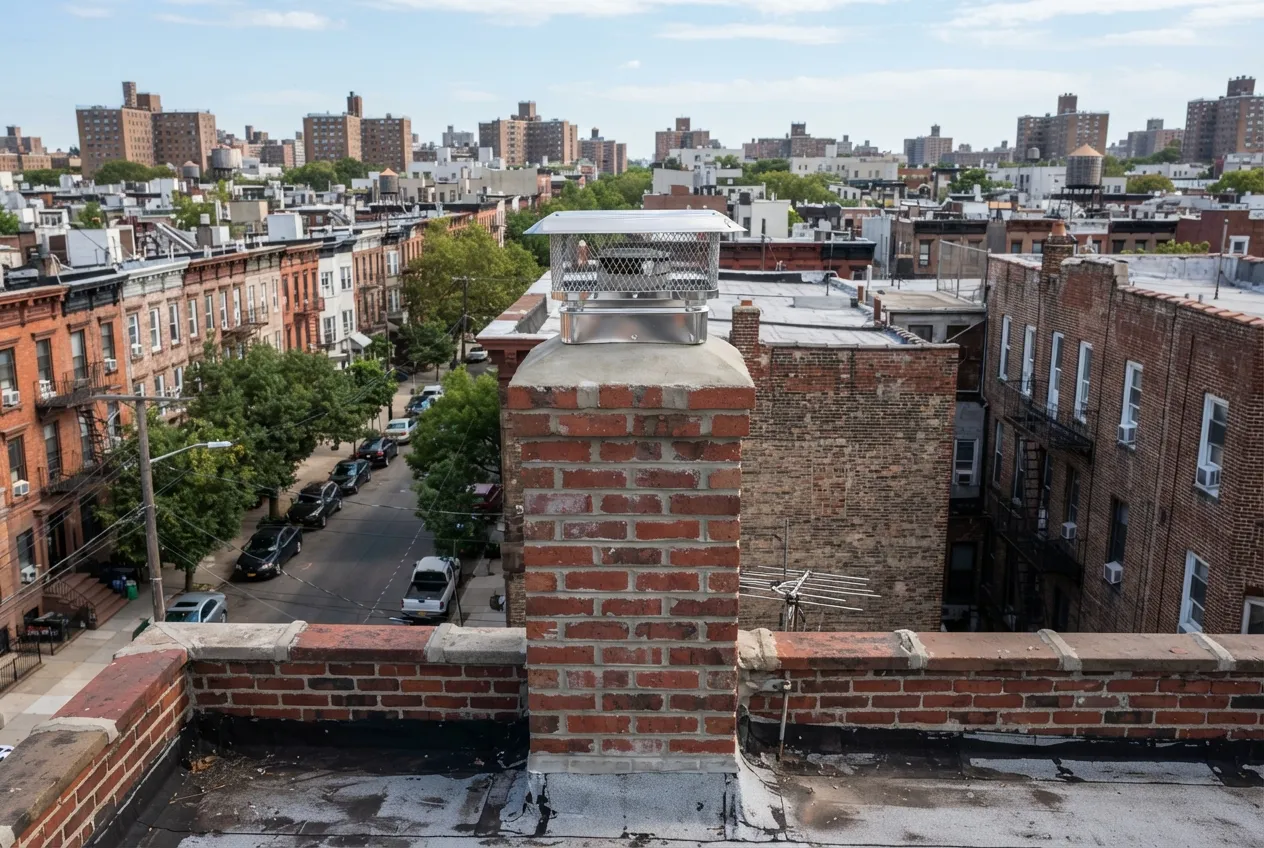
Chimney professionals use three inspection levels. We'll recommend the one that fits your situation, and we'll explain why before any work starts.
- Level 1: For a chimney in regular use when nothing about the system has changed. We check the readily accessible parts of the chimney, the appliance connection and the flue for soot, creosote, blockages and obvious damage.
- Level 2: When the system changes, such as a new boiler or furnace, a switch from oil to gas, a relined flue, or when the home is being sold. This adds a camera scan of the flue interior and a closer look at attics, basements and crawl spaces where the chimney passes.
- Level 3: When a hidden hazard is suspected and the only way to reach it is to open part of the chimney or the building, for example after a chimney fire or when a Level 2 points to concealed damage.
Oil-to-Gas Conversions and Liners
Many Brooklyn buildings have moved from oil heat to gas. When a New York City building converts its boiler from oil to gas, the chimney has to be evaluated as part of the work. A new liner is often needed because gas exhaust produces acidic condensate that can corrode an unlined or worn masonry flue.
If you are planning a conversion in Red Hook, or one was done before you bought the property, a Level 2 inspection shows whether the existing liner is the right size and material for the new equipment and whether condensate has already started to damage the flue.
Time for your annual chimney check?
Timing Your Inspection Around Heat Season
New York City's heat season runs from October 1 through May 31. During those months, owners of apartment buildings must keep units heated to the city's minimum temperatures, so a boiler that can't run because of a chimney problem becomes urgent fast.
For that reason, late spring and summer are the easiest times to schedule an inspection. You have room to plan any repairs, order a liner if one is needed and get everything finished before the boiler goes back to work in the fall. Fireplace owners benefit from the same timing, since problems found in summer can be fixed before the first cold night.
What You Get After the Visit
After the inspection, we walk you through what we saw and give you a written report with photos or camera images of any problem areas. The report separates items that need attention now from things to watch over the next year. If repairs are needed, we explain the options in plain terms so you can decide what makes sense for your home.
Besides Red Hook, we inspect chimneys in Carroll Gardens, Cobble Hill, Gowanus, Park Slope and Brooklyn Heights, so neighbors with similar older housing can use the same service.
More services in Red Hook
- Chimney Sweep in Red Hook
- Chimney Repair in Red Hook
- Air Duct Cleaning in Red Hook
- Chimney Liner Installation in Red Hook