The short answer
A Park Slope chimney should be inspected once a year, as the NFPA 211 standard recommends, and again whenever you change heating equipment, switch fuel, or buy or sell the house. Older brownstones and rowhouses often have unlined or aging masonry flues, so an inspection is the best way to confirm the chimney can safely vent your fireplace, boiler or water heater.
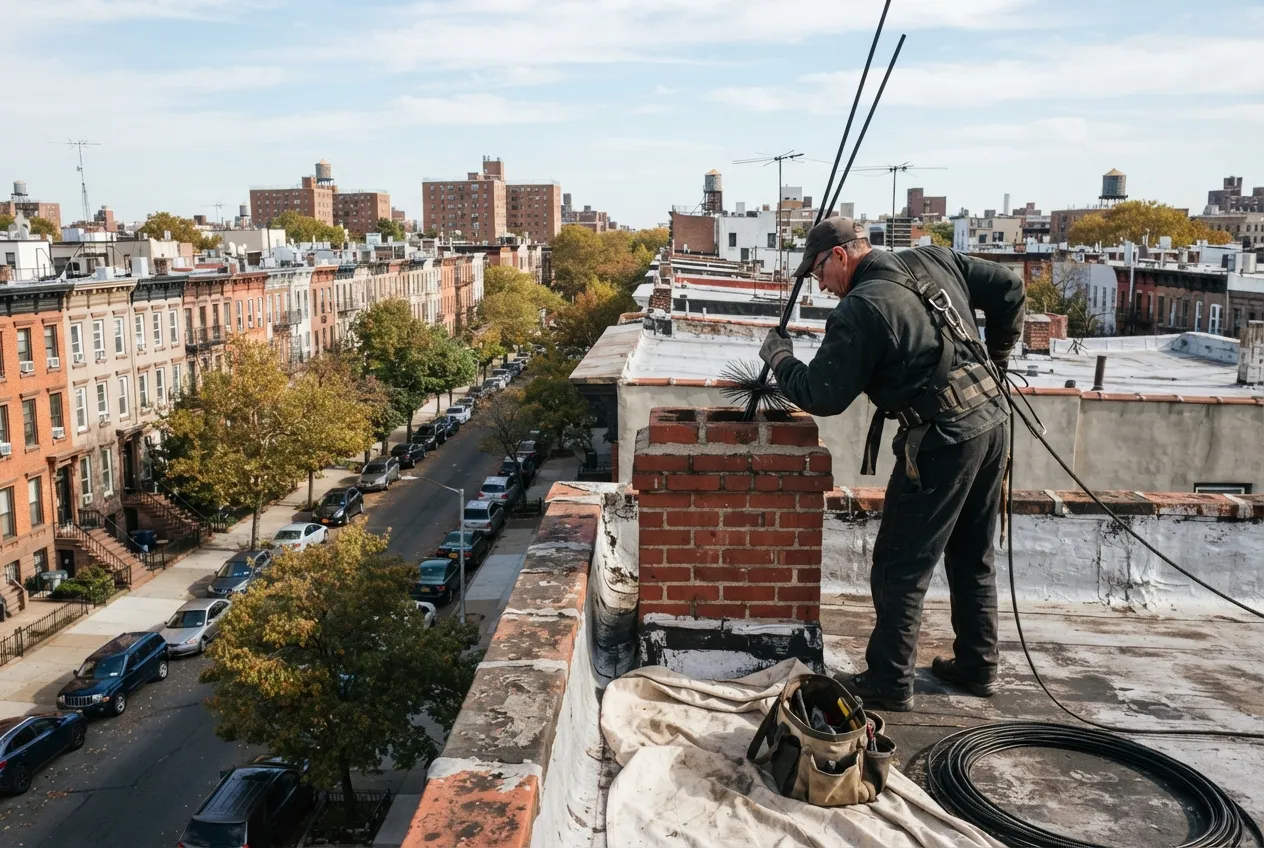
Most chimneys in Park Slope were built long before anyone in the house ran a modern gas boiler or a high-efficiency water heater. Brownstones, brick rowhouses and pre-war apartment buildings often have several flues in one masonry stack, shared party walls, and fireplaces that have been closed, reopened or converted over the decades. A chimney inspection tells you what condition those flues are in now and whether they are safe for the way you heat your home today. SummitHearth's certified technicians are about a mile from Park Slope and inspect chimneys throughout 11217 and the surrounding neighborhoods.
What a Chimney Inspection Covers
The NFPA 211 standard calls for chimneys, fireplaces and vents to be inspected once a year. Chimney professionals use three levels of inspection, and the right one depends on what has happened to your home since the last check.
For most Park Slope homeowners, the yearly visit is a Level 1. A Level 2 is common here because so many homes change hands or update their heating systems, and a Level 3 is used only when there is reason to believe a hazard is hidden behind a wall or inside the masonry.
- Level 1: For a chimney that is being used the same way as before, with no changes. We check the readily accessible parts of the chimney, firebox, damper and connections for soundness, blockages and buildup.
- Level 2: For a home being sold, a new appliance, a switch of fuel, or damage from a storm or chimney fire. This adds a camera scan of the flue interior and a closer look at accessible areas such as the roof, attic and basement.
- Level 3: For a suspected hidden hazard that can only be reached by opening part of the chimney or the building, such as a section of wall or chimney crown.
Why Park Slope Chimneys Need a Closer Look
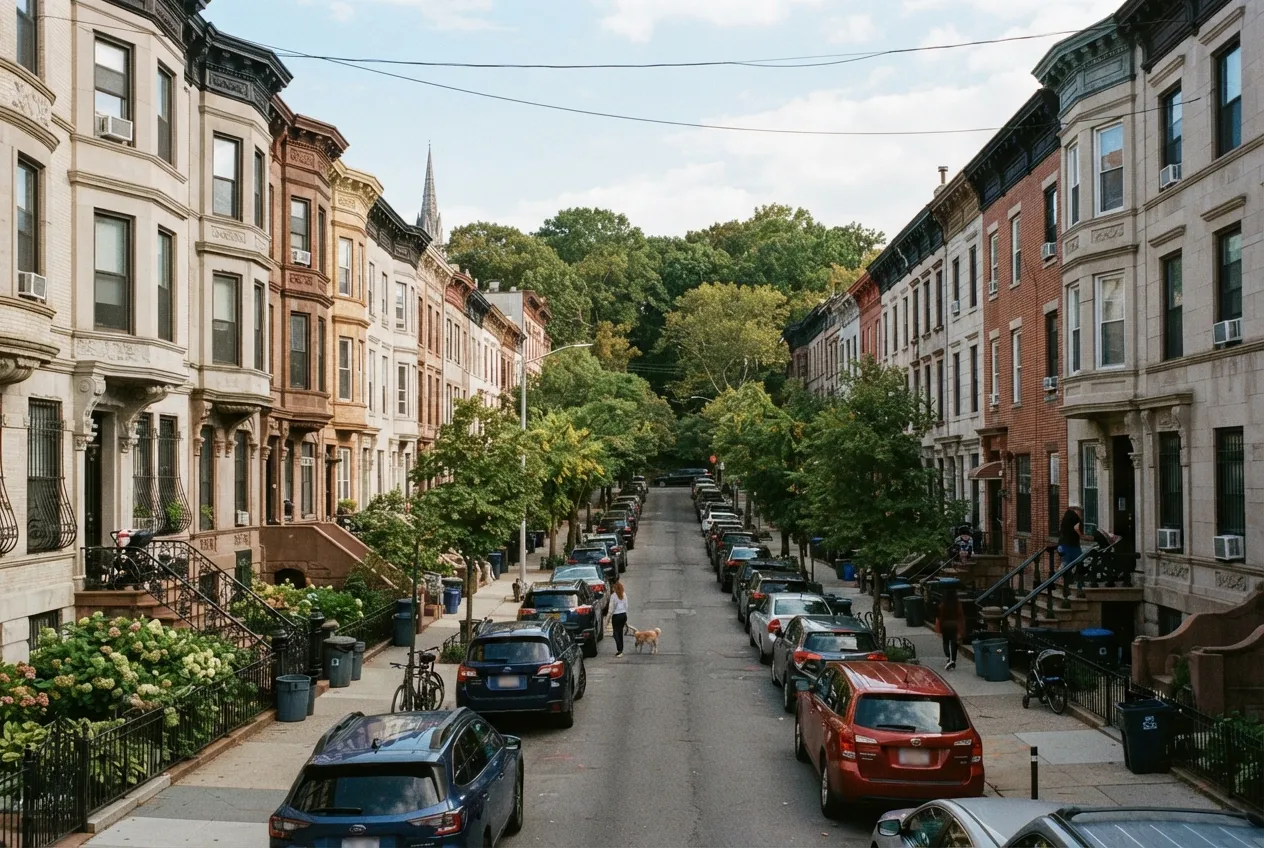
The housing in Park Slope creates a specific set of concerns. Many brownstones and rowhouses were built with multiple flues running side by side, one for each floor's fireplace and one for the heating plant. Over time, some of those flues get abandoned, capped or repurposed, and it is not always clear from inside the house which flue serves which appliance.
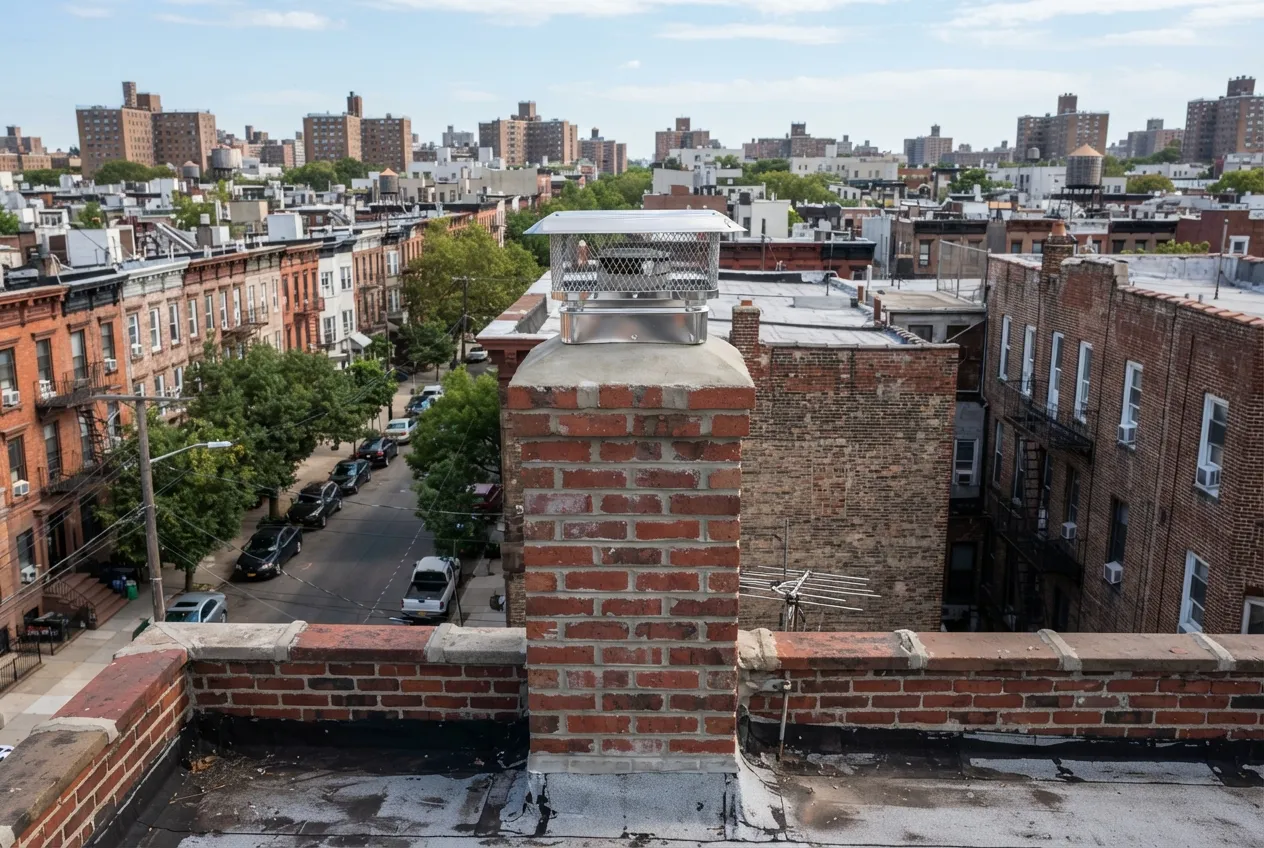
Shared walls matter too. In attached homes, a cracked flue tile or deteriorated mortar joint can let smoke or exhaust gases travel into places you would not expect, including an adjoining unit. Older masonry chimneys also take a beating from freeze-thaw cycles on the roof, so crowns, caps and upper brickwork deserve attention even when the inside looks fine.
Decorative fireplaces are another common question. If a fireplace has been sealed for years and you would like to start using it, the flue should be inspected before the first fire, not after.
Oil-to-Gas Conversions and Chimney Liners
Many Brooklyn buildings have moved from oil heat to gas. When a New York City building converts its boiler from oil to gas, the chimney has to be evaluated as part of the work. A new liner is often needed, because gas exhaust produces acidic condensate that can corrode a masonry flue from the inside.
If your building has already converted, or if you are planning a conversion, a Level 2 inspection shows whether the existing flue is lined, whether the liner is the right size for the new equipment, and whether there is any sign of deterioration from condensation.
Time for your annual chimney check?
Timing Your Inspection Around Heat Season
New York City's heat season runs from October 1 through May 31, when building owners must keep apartments heated to the city's minimum temperatures. If you own a multi-unit brownstone or a small apartment building in Park Slope, a chimney problem in January can leave you scrambling to keep tenants warm.
Scheduling your inspection in late summer or early fall gives you time to handle any repairs, such as a liner, cap or crown fix, before the boiler is running every day. Fireplace users benefit from the same timing, since problems are easier to correct before the first cold snap.
What to Expect on Inspection Day
A technician will ask how you use each fireplace and appliance and whether anything has changed recently. We protect the work area, inspect the firebox, damper, smoke chamber and visible flue, and check the exterior and roof-level components where they can be safely reached. For a Level 2, we run a camera through the flue to see the liner and joints.
Afterward, we explain what we found in plain terms and give you a written report with photos where helpful, so you know what is in good shape and what needs attention.
Serving Park Slope and Nearby Neighborhoods
Our office is about a mile north of Park Slope, and we inspect chimneys in Prospect Heights, Carroll Gardens, Cobble Hill, Gowanus and Red Hook as well. Whether you have a single-family brownstone, a converted rowhouse or a pre-war apartment building, we can help you understand the condition of your chimney.
More services in Park Slope
- Chimney Sweep in Park Slope
- Chimney Repair in Park Slope
- Air Duct Cleaning in Park Slope
- Chimney Liner Installation in Park Slope