The short answer
Cobble Hill homeowners should have their chimneys inspected once a year, which is what the NFPA 211 standard calls for. A more detailed inspection is needed when you change appliances or fuel, buy or sell the home, or suspect hidden damage, which is common in older masonry chimneys.
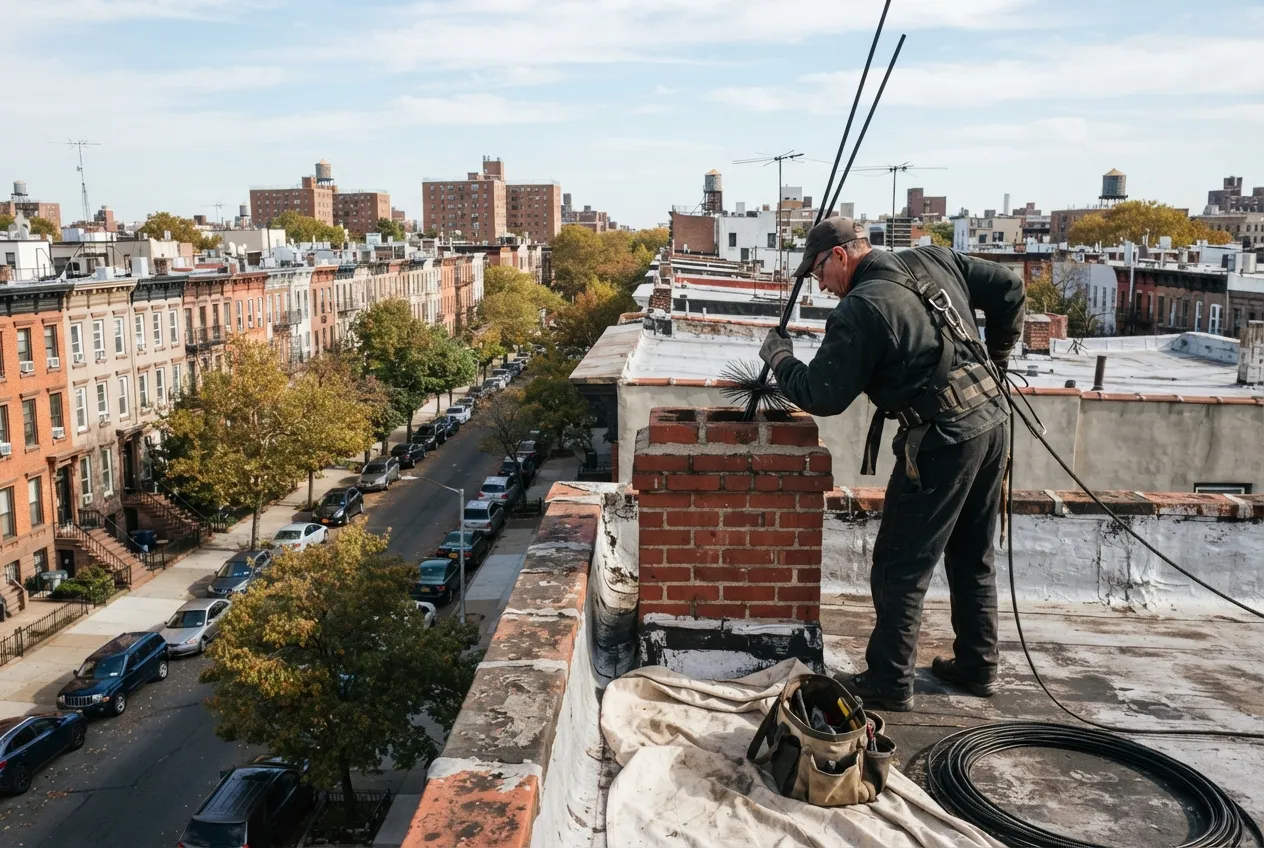
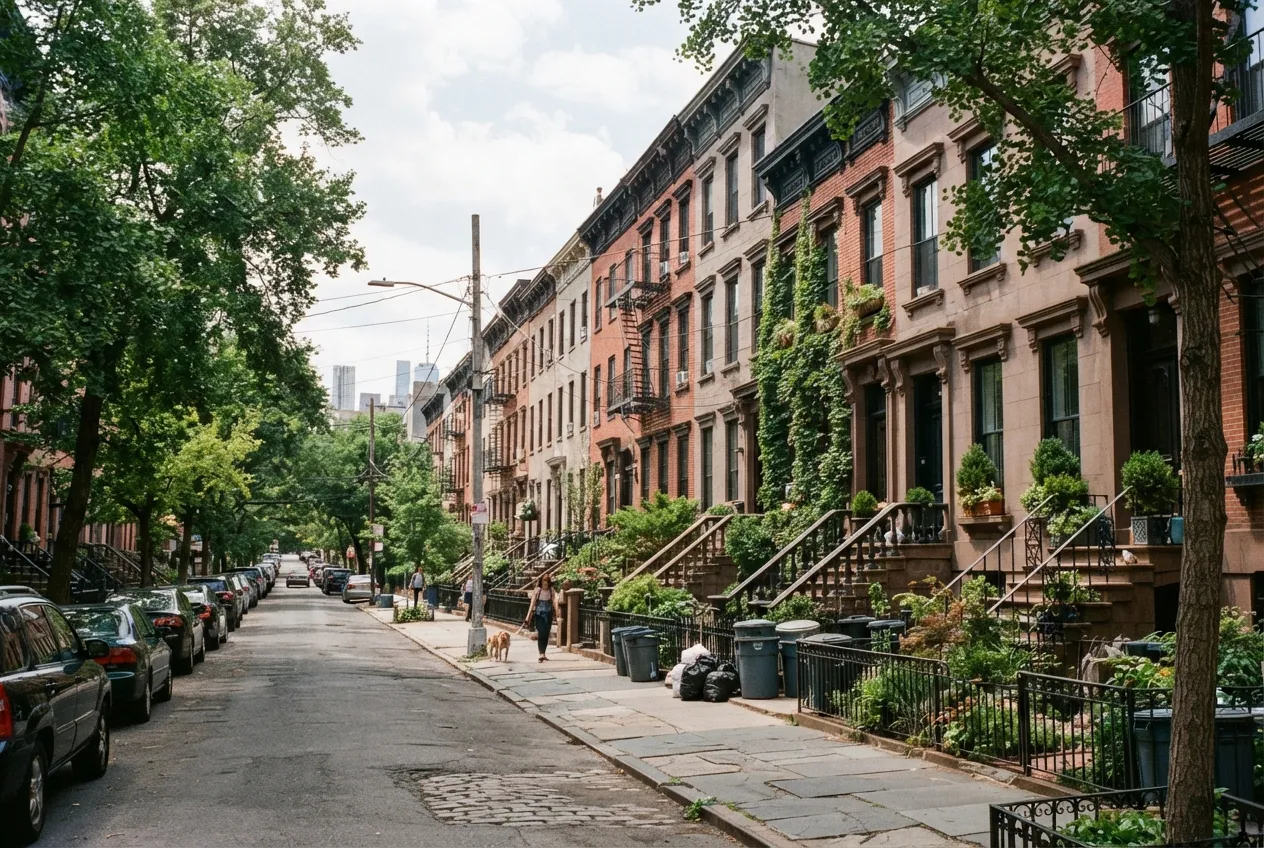
Most homes in Cobble Hill are brownstones, rowhouses and pre-war apartment buildings, and many of their chimneys have served several kinds of heating equipment over the years. A fireplace once burned wood or coal, a boiler may have switched from oil to gas, and a water heater may now share a flue it was never designed for. A chimney inspection shows whether the flue, liner, firebox, smoke chamber and connections can safely do the job you ask of them now. SummitHearth Chimney Services is about a mile from Cobble Hill, and our certified technicians inspect chimneys throughout ZIP code 11231 and the neighborhoods around it.
What We Check in Cobble Hill Chimneys
Older masonry chimneys in brownstones and rowhouses often run up through several floors and share walls with the house next door. Small problems inside the flue can stay out of sight for a long time. During an inspection we look at every part of the system we can reach without opening walls.
For a working fireplace, that means creosote buildup, damper operation, the firebox and the smoke chamber. For a boiler or water heater flue, we look closely at the connector pipe, the liner and any signs that exhaust is not drafting properly.
- Flue condition, including cracked or missing clay tiles and gaps in mortar joints
- Liner type and condition, and whether it suits the appliance connected to it
- Creosote and soot buildup in fireplace flues
- Blockages from debris, nesting animals or fallen masonry
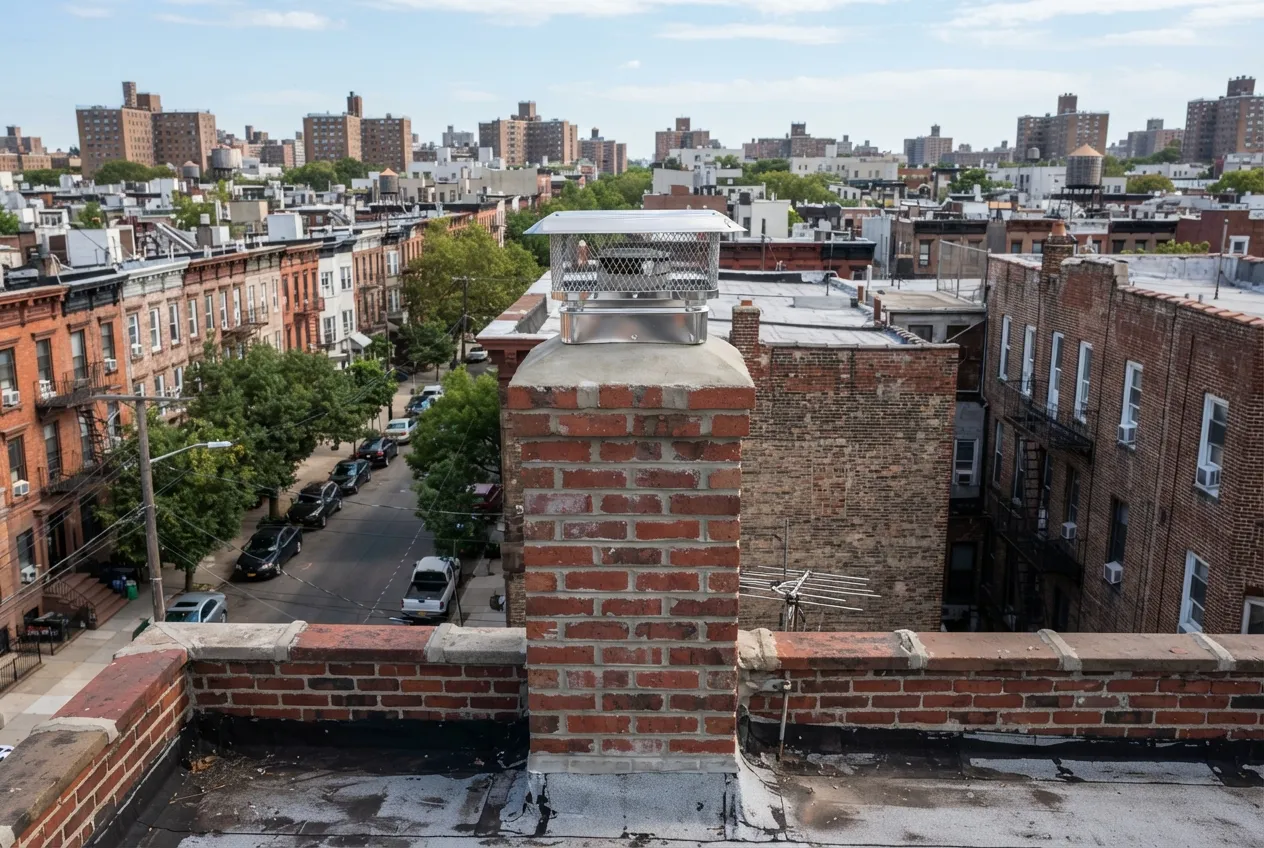
- Chimney crown, cap and exterior brickwork visible from the roof
- Clearances between the chimney and nearby wood framing where accessible
Choosing the Right Inspection Level
Chimney professionals use three inspection levels, and the right one depends on what has happened with your home and heating system since the last check.
- Level 1: For chimneys in regular use with no changes to the appliance, fuel or venting. This is the standard yearly inspection.
- Level 2: For homes being bought or sold, or when the system changes, such as a new boiler, a new fireplace insert or a switch from oil to gas. It typically includes a camera look through the full length of the flue.
- Level 3: For cases where a hidden hazard has to be reached by opening part of the chimney or the building, such as suspected damage behind a wall after a chimney fire.
Oil-to-Gas Conversions and Flue Liners
Many Cobble Hill buildings have moved from oil heat to gas, and others are planning to. When a New York City building converts its boiler from oil to gas, the chimney has to be evaluated as part of that work.
A new liner is often needed. Gas exhaust produces acidic condensate, and over time it can corrode an unlined or tile-lined masonry flue. Deteriorating mortar and loose tile can then fall and block the flue. If you are planning a conversion, or completed one without a liner evaluation, we can inspect the flue and explain what we find.
Time for your annual chimney check?
Timing Your Inspection Around Heat Season
New York City's heat season runs from October 1 through May 31. During those months, building owners must keep apartments heated to the city's minimum temperatures. For owners of multi-unit brownstones and pre-war buildings, a chimney problem in the middle of winter can mean a boiler that has to be shut down when tenants depend on it.
Late summer and early fall are the most practical times to schedule. That leaves room to arrange any repairs or liner work before the boiler runs full-time. Homeowners who use a fireplace on cold evenings benefit from the same timing.
After the Inspection
We walk you through what we found in plain terms, show you photos or camera footage when we have them, and tell you which items need attention now and which can be watched. If the chimney is in good condition, you will know that too. Our recommendations are based on what we can actually see in your chimney, not on a standard list of add-ons.
Besides Cobble Hill, we inspect chimneys in Carroll Gardens, Gowanus, Red Hook, Park Slope and Brooklyn Heights, where housing is similar and many of the same issues come up.
More services in Cobble Hill
- Chimney Sweep in Cobble Hill
- Chimney Repair in Cobble Hill
- Air Duct Cleaning in Cobble Hill
- Chimney Liner Installation in Cobble Hill