The short answer
Chimney repair in Clinton Hill usually involves aging masonry, water damage at the crown and flashing, and flue liners, especially in buildings converting from oil to gas. SummitHearth starts with an inspection based on the NFPA 211 standard, explains what is urgent and what can wait, and schedules larger work around New York City's heat season when possible.
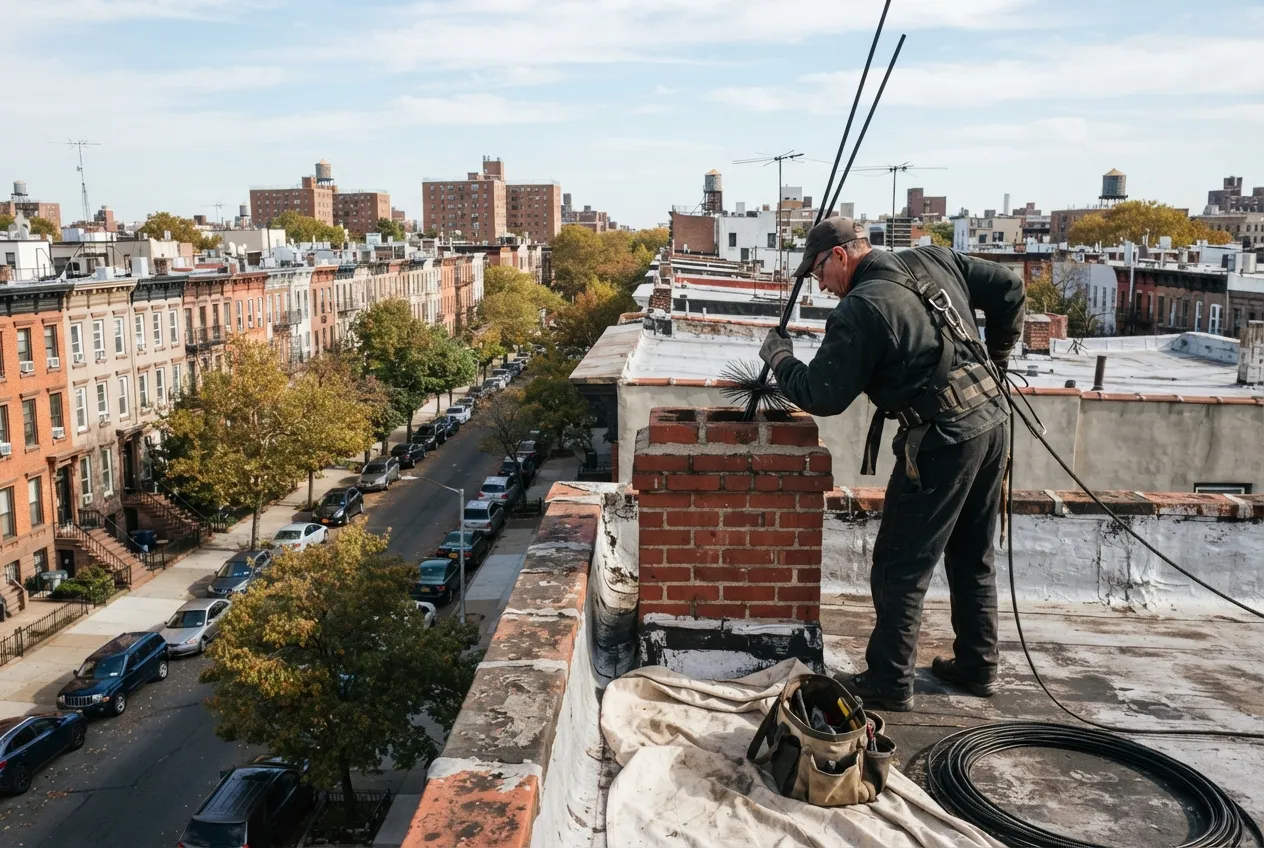
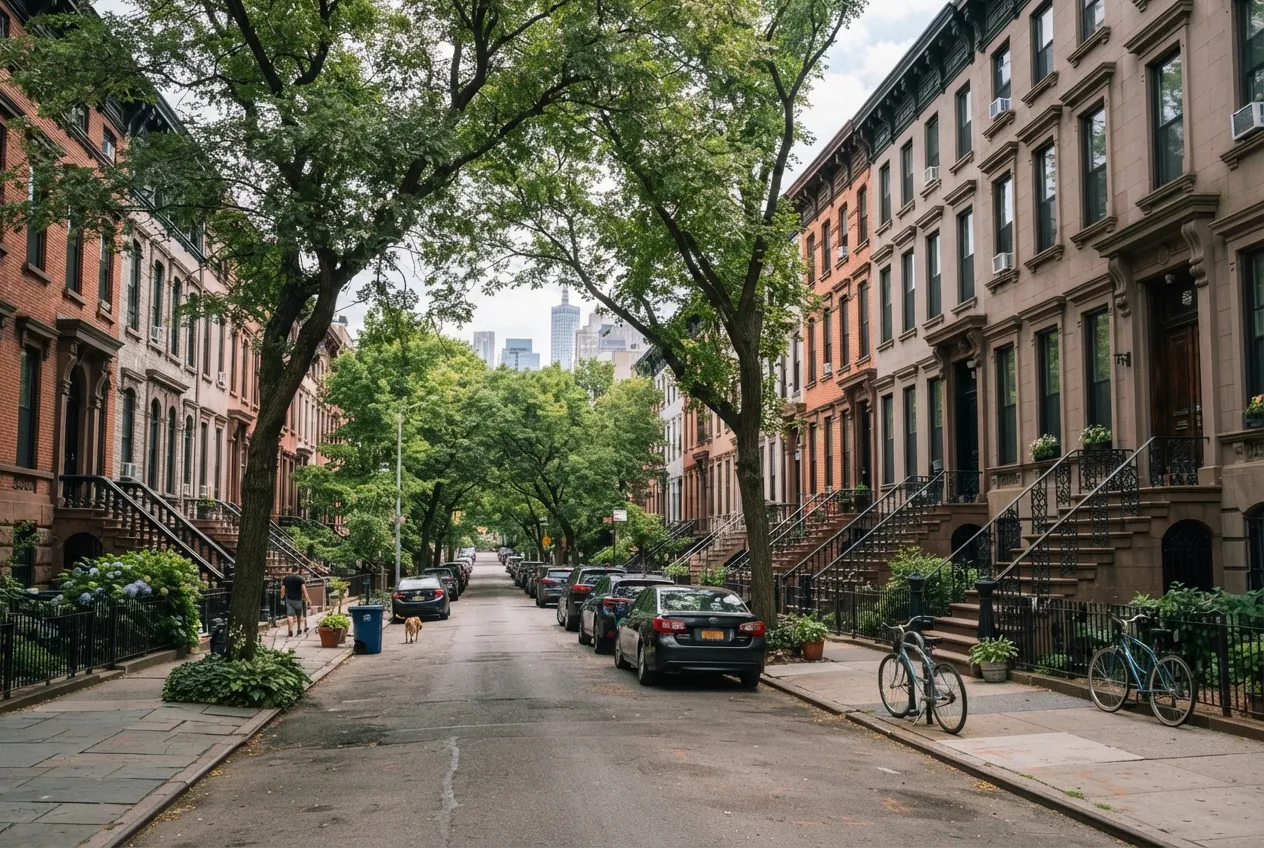
Clinton Hill's brownstones, rowhouses and pre-war apartment buildings were built with masonry chimneys that have been through decades of New York winters, changes in heating fuel and later renovations. That history shows up as worn mortar, leaking crowns, failed flashing and flues that no longer suit the appliance they serve. SummitHearth Chimney Services is based about a mile west of Clinton Hill in Brooklyn, so our technicians can reach neighborhood homes easily for repair work. This page covers the repairs we see most often in the area, how we decide what a chimney needs, and how to plan work around heating season.
Common Chimney Problems in Clinton Hill's Older Homes
Most chimneys in the neighborhood are brick, and many run up through party walls shared with the house next door. Age, weather and changing fuels wear them down in predictable ways:
Water causes most of these problems. Once water gets into brick and mortar, each freeze and thaw widens the damage. A small leak left alone usually becomes a larger repair.
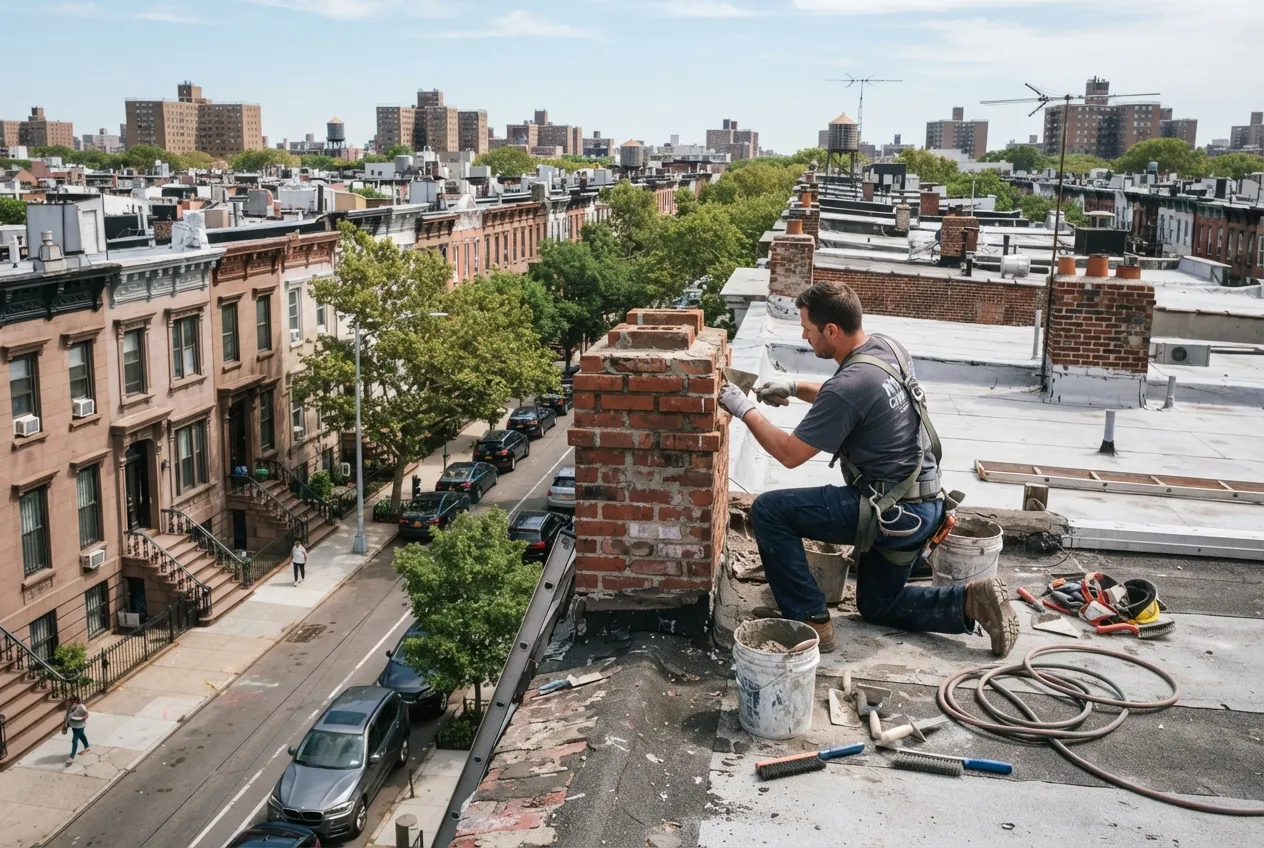
- Spalling or crumbling brick and eroded mortar joints at the top of the stack, where exposure is greatest
- Cracked or missing chimney crowns that let water into the masonry below
- Failed flashing where the chimney meets a flat or low-slope roof, a frequent cause of ceiling stains on the top floor
- Cracked, shifted or deteriorated clay flue tiles
- Missing or rusted chimney caps that let in rain, debris and animals
- Loose or leaning masonry above the roofline
How We Figure Out What Your Chimney Needs
The NFPA 211 standard calls for chimneys, fireplaces and vents to be inspected once a year, and every repair starts with an inspection. A Level 1 inspection fits when nothing about the system has changed. A Level 2 inspection applies when something has changed, such as a new appliance or a switch of fuel, or when the home is being sold. A Level 3 inspection is reserved for cases where a hidden hazard can only be reached by opening part of the chimney or building.
After the inspection, our certified technicians explain what they found and show you photos when they help. They separate urgent safety issues from items you can plan for later, and you decide what moves forward.
Liner Work for Oil-to-Gas Conversions
Many Clinton Hill buildings that once burned oil have converted their boilers to gas or plan to. In New York City, the chimney has to be evaluated as part of that work. A new liner is often needed because gas exhaust produces acidic condensate that can corrode a masonry flue from the inside.
Signs that a flue may already be affected include tile fragments collecting at the base of the chimney, stains or damp spots on walls next to the chimney, and moisture at the cleanout. If you're planning a conversion, contact us early. That way the chimney evaluation and any liner installation can be scheduled alongside the boiler work instead of holding it up.
Time for your annual chimney check?
Timing Repairs Around Heat Season
New York City's heat season runs from October 1 through May 31. During those months, building owners must keep apartments heated to the city's minimum temperatures, so a boiler chimney problem in a multi-unit building can't easily wait. For owners of small apartment buildings and multi-family brownstones, late spring and summer are the easiest times for liner replacement, rebuilding a chimney top, or other work that requires shutting down the heating system.
If something fails in the middle of winter, we focus first on getting the system venting safely. Then we plan any larger repairs for a time that is less disruptive for you and your tenants.
Serving Clinton Hill and Nearby Neighborhoods
We also handle chimney repair in Fort Greene, Prospect Heights, Downtown Brooklyn, DUMBO and Boerum Hill. Housing across these neighborhoods is similar, with brownstones, rowhouses and pre-war apartment buildings, so the same problems tend to show up. Tell us your building type, what you're noticing and how the chimney is used, and we'll plan the visit.
More services in Clinton Hill
- Chimney Sweep in Clinton Hill
- Chimney Inspection in Clinton Hill
- Air Duct Cleaning in Clinton Hill
- Chimney Liner Installation in Clinton Hill