The short answer
Many older Prospect Heights chimneys need a new liner because the original flue is unlined, cracked, or no longer suited to the boiler, water heater or fireplace using it. We inspect the chimney, recommend a liner sized to your appliance, and install it so exhaust leaves the house safely.
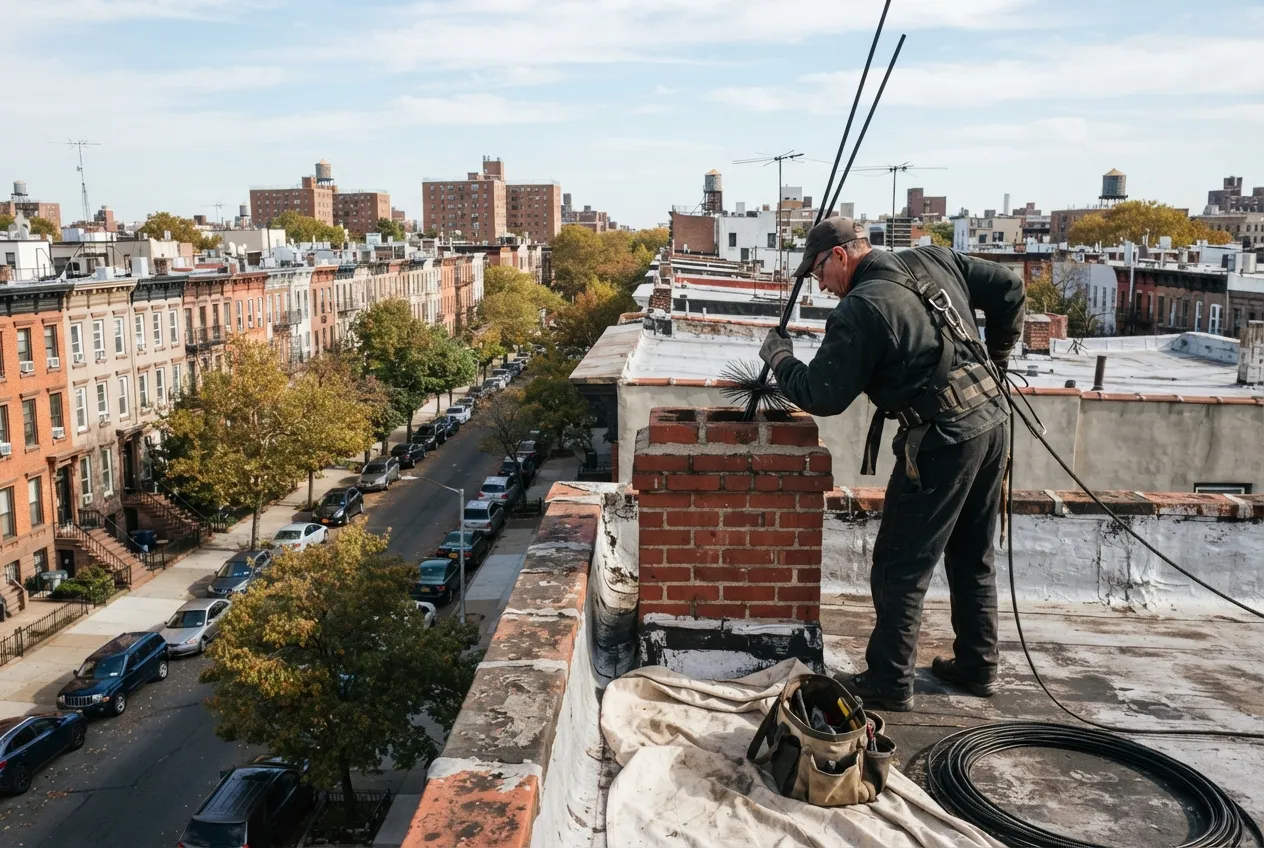
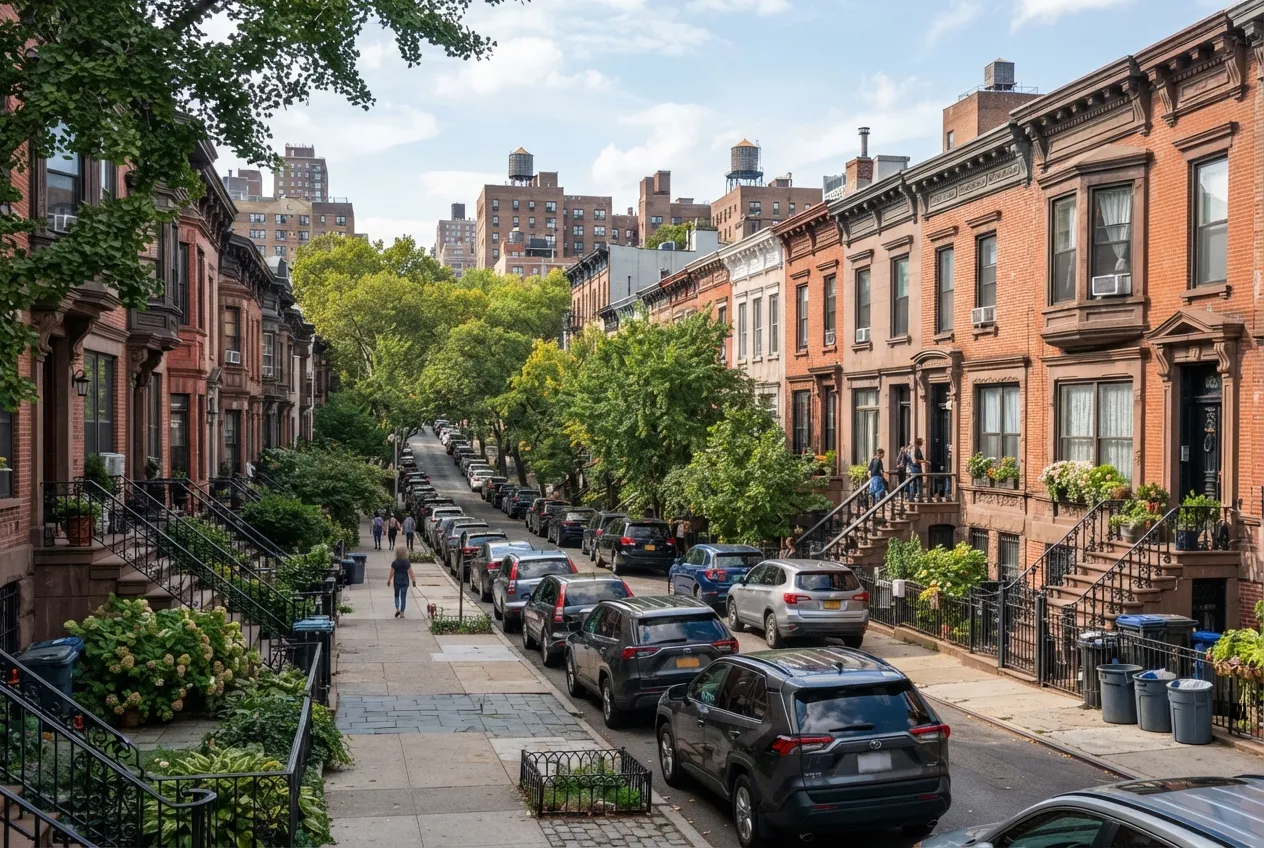
Many homes in Prospect Heights were built long before today's heating equipment, and their chimneys show it. Brownstones, rowhouses and pre-war apartment buildings often have masonry flues that were never lined, or were lined long ago with clay tile that has since cracked or shifted. SummitHearth Chimney Services installs new chimney liners for homes and buildings in Prospect Heights, about a mile from our Brooklyn office. Our certified technicians inspect the flue first, explain what they find, and fit a liner sized to the appliance it serves.
Why Older Prospect Heights Chimneys Often Need a Liner
A chimney liner is the channel inside the chimney that carries smoke and exhaust gases up and out of the house. It shields the surrounding brick and mortar from heat and corrosion and helps keep gases from seeping into living space. In attached rowhouses and brownstones, chimneys often run through shared walls, so a failing flue can affect more than one home.
These are the situations where we most often recommend relining:
- An unlined masonry flue in an older brownstone or rowhouse
- Cracked, shifted or missing clay tiles found during an inspection
- A new boiler or water heater that vents differently than the old one
- A switch from oil heat to gas
- Reopening a fireplace that hasn't been used in years
- Water stains, crumbling mortar or flaking masonry inside the flue
Oil-to-Gas Conversions and Your Chimney
Several pre-war apartment buildings and multi-family rowhouses in the area have moved from oil to gas heat, and more are planning to. When a New York City building converts its boiler from oil to gas, the chimney has to be evaluated as part of the work. A new liner is often needed, because gas exhaust produces acidic condensate that can corrode a masonry flue that handled oil without trouble.
Timing matters for buildings with tenants. The city's heat season runs from October 1 through May 31, and during that period owners must keep apartments heated to the city's minimum temperatures. If you are planning a conversion or a boiler replacement, we can help you schedule the liner work so it fits around the heating system shutdown.
Inspection Comes First
The NFPA 211 standard calls for chimneys, fireplaces and vents to be inspected once a year. It also describes three inspection levels. A Level 1 inspection fits when nothing has changed. A Level 2 inspection applies when the system changes, such as a new appliance or a switch of fuel, or when the home is sold. Most liner projects begin with a Level 2 inspection, which includes a camera look at the inside of the flue.
If a hidden problem can only be reached by opening part of the chimney or a wall, that falls under a Level 3 inspection. We'll tell you plainly if we think one is needed and why, before any work goes forward.
Time for your annual chimney check?
Choosing the Right Liner
The right liner depends on what the chimney serves. A gas boiler, an oil burner, a water heater and a wood-burning fireplace each produce different exhaust and need different flue sizes. A liner that is too large or too small can cause poor draft, condensation or smoke coming back into the room.
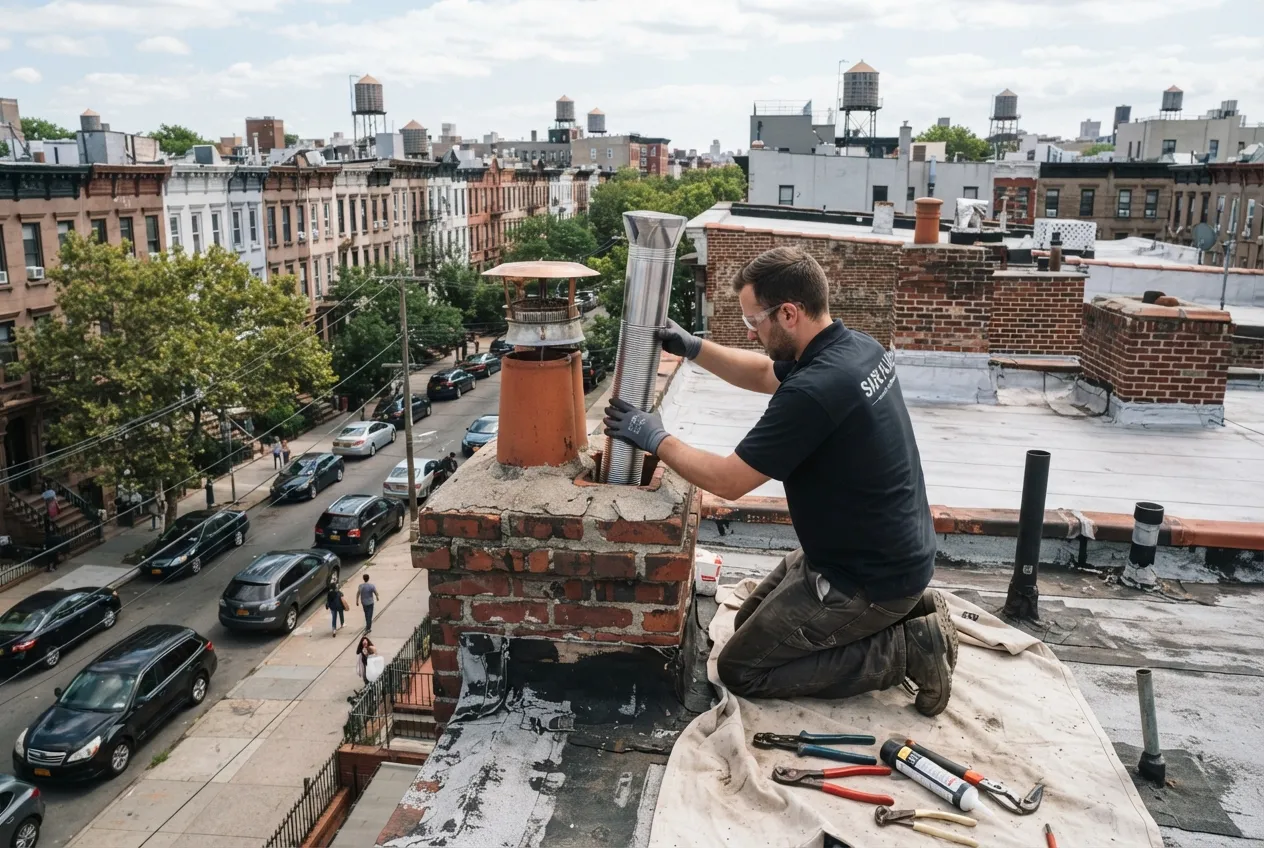
Stainless steel liners are a common choice for relining older masonry chimneys because they can be fed down an existing flue and connected to the appliance below. For wood-burning fireplaces, insulation around the liner may be part of the job. We match the liner's material and diameter to your appliance and explain the options in plain terms.
What Installation Day Looks Like
Most homeowners want to know how disruptive the work will be. Here is the usual sequence for a Prospect Heights rowhouse or brownstone:
- We protect floors and furniture near the fireplace or appliance
- Our crew works from the roof, which in attached homes may mean coordinating access
- Broken tile or debris is cleared from the flue if it blocks the new liner
- The liner is lowered into the chimney and connected to the appliance
- A cap is fitted at the top to keep out rain and animals
- We check draft and walk you through the finished work
Serving Prospect Heights and Nearby Neighborhoods
Because we're based close by, we also install chimney liners in Park Slope, Clinton Hill, Fort Greene, Downtown Brooklyn and DUMBO. The housing across these neighborhoods is similar, with plenty of brownstones, rowhouses and older apartment buildings that face the same flue problems. Contact us to schedule an inspection and talk through whether a new liner makes sense for your home.
More services in Prospect Heights
- Chimney Sweep in Prospect Heights
- Chimney Inspection in Prospect Heights
- Chimney Repair in Prospect Heights
- Air Duct Cleaning in Prospect Heights