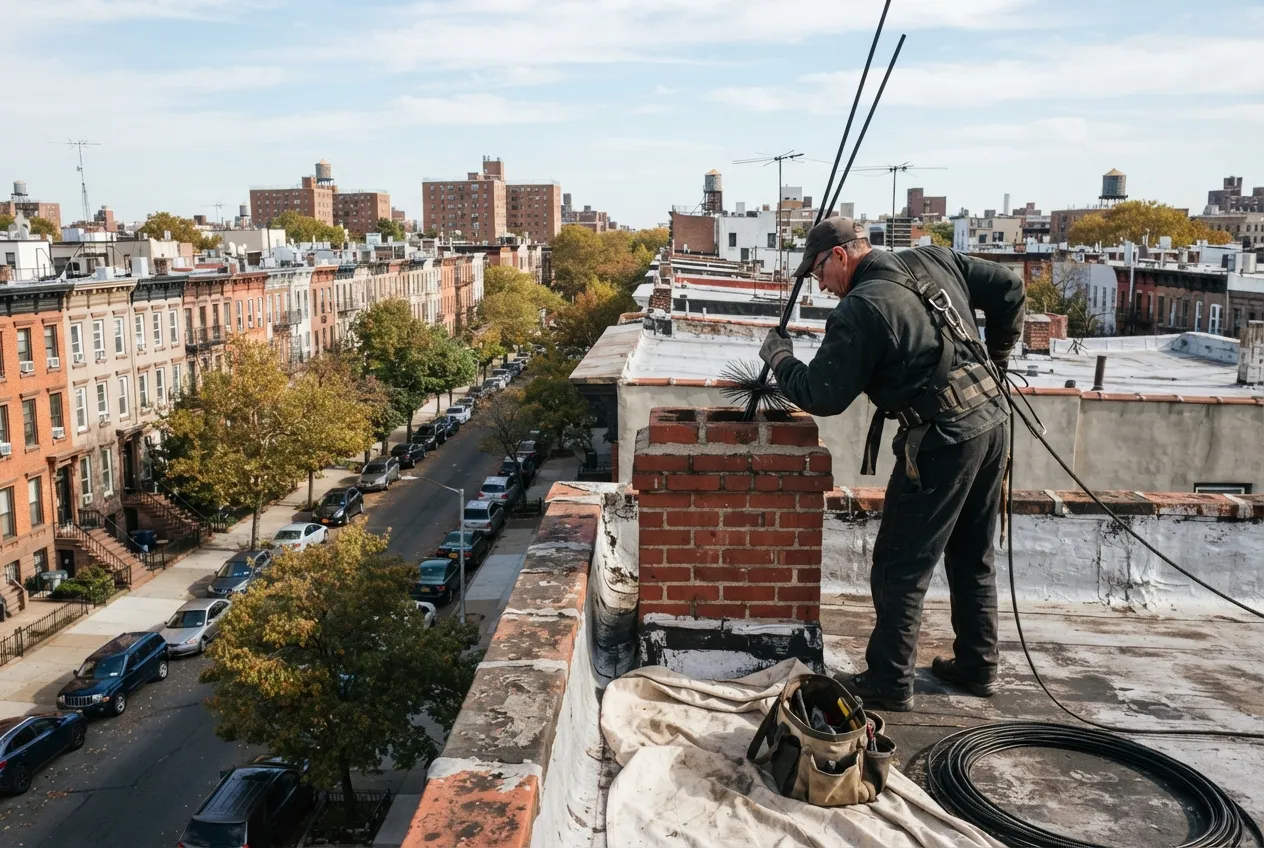
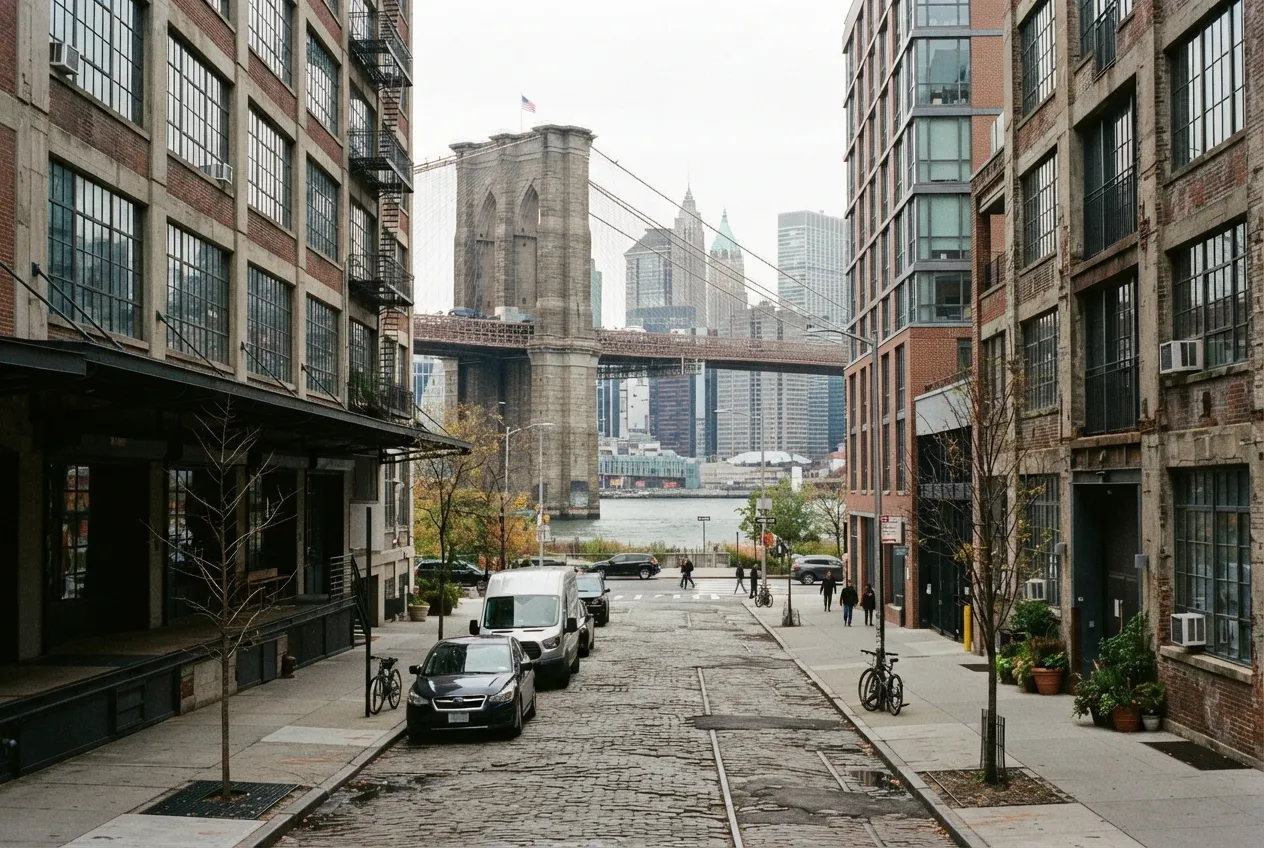
The short answer
Under the NFPA 211 standard, chimneys in DUMBO should be inspected once a year. A more detailed Level 2 inspection is called for when you change fuel, add an appliance or sell the home. SummitHearth's certified technicians work from our office at 451 Fulton St and can schedule your inspection before or during heat season.
DUMBO's housing includes converted loft buildings, pre-war apartment buildings and a smaller number of rowhouses. Many still depend on chimneys and flues for fireplaces, boilers and water heaters. SummitHearth Chimney Services has its office at 451 Fulton St, so getting a certified technician to your building in ZIP code 11201 is simple. A chimney inspection tells you three things: what condition your flue is in, whether it suits the appliance connected to it, and what needs attention before you rely on it again.
How Often to Inspect and Which Level You Need
The NFPA 211 standard calls for chimneys, fireplaces and vents to be inspected once a year. That applies whether you burn wood a few nights each winter or your chimney serves a boiler that runs all season. A yearly check catches problems while they are still small, such as a cracked flue tile, a loose cap, mortar washing out of a crown, or debris building up where you can't see it.
There are three inspection levels. The right one depends on your situation:
- Level 1: for a system that hasn't changed and is being used as intended. We examine the readily accessible parts of the chimney inside and out, along with the appliance connection.
- Level 2: for when something changes, such as a new appliance, a switch of fuel or the sale of the home. It adds a camera scan of the flue interior and a closer look at accessible areas like the attic, basement and roof.
- Level 3: for when a hidden hazard has to be reached by opening part of the chimney or building. We recommend it only when a Level 1 or Level 2 inspection points to a problem that can't be confirmed any other way.
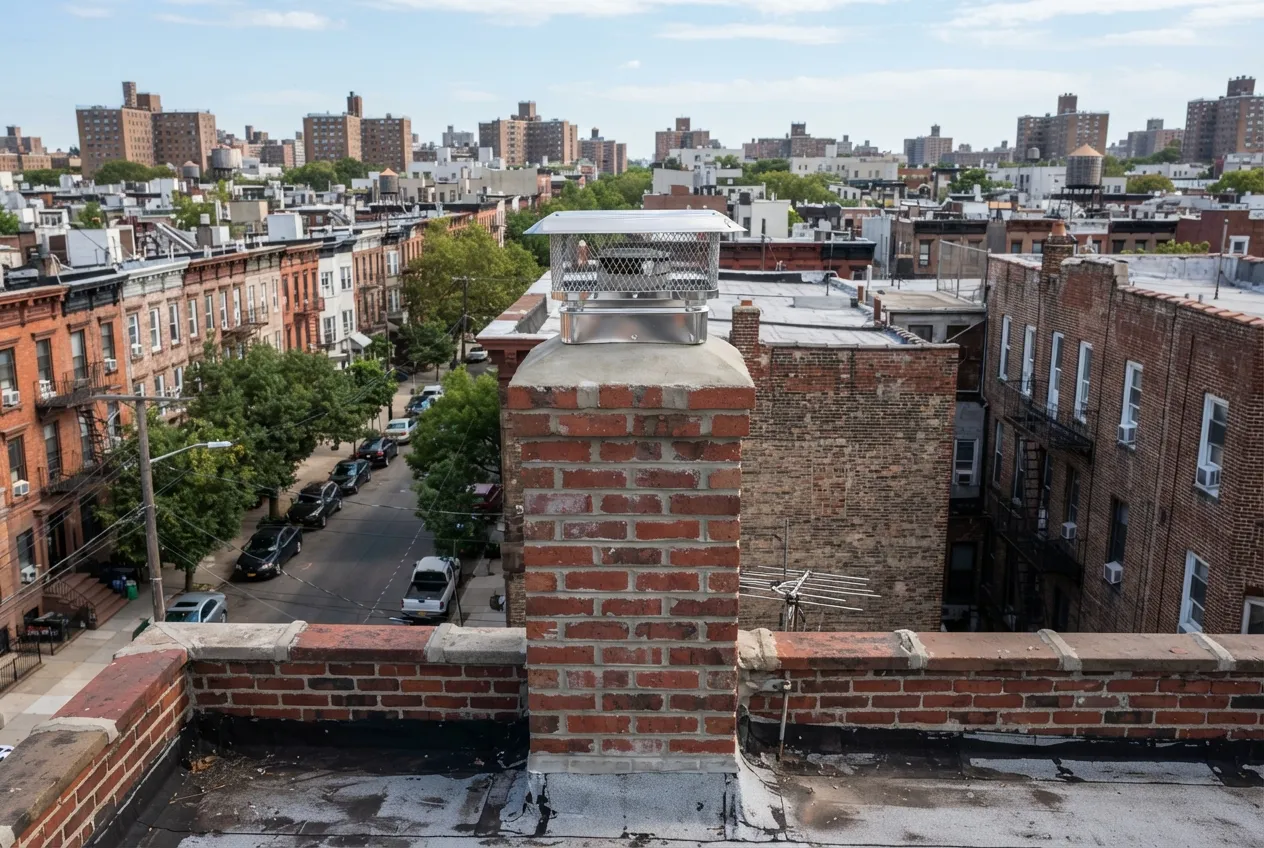
What We Check in DUMBO's Older Buildings
Many buildings in the neighborhood went up long before modern venting appliances existed. Their chimneys have been through decades of use, renovation and equipment changes. In loft conversions especially, a chimney may have been rerouted, shortened or partly enclosed during remodeling. During an inspection, a technician looks at:
After the visit, you get a plain-language explanation of what we found, with photos where they help. We clearly separate what needs attention now from what can wait.
- Flue liner condition, including cracks, gaps, flaking masonry and signs of corrosion
- Creosote and soot buildup in wood-burning fireplaces
- The chimney crown, cap and flashing, where water most often gets in
- Brick and mortar joints on the exterior of the chimney
- How the damper works, and the condition of the smoke chamber above it
- Connector pipes and clearances for boilers, furnaces and water heaters
- Blockages from nesting animals, fallen masonry or debris
Converting From Oil to Gas
Some DUMBO buildings still heat with oil, and owners planning a switch should think about the chimney from the start. In New York City, when a building converts its boiler from oil to gas, the chimney has to be evaluated as part of the work. A new liner is often needed. Gas exhaust produces acidic condensate, which can corrode a masonry flue that worked fine for oil.
A fuel switch is exactly the kind of change that calls for a Level 2 inspection. Doing it early tells you and your heating contractor whether relining belongs in the project before the schedule is set.
Time for your annual chimney check?
Timing Your Inspection Around Heat Season
New York City's heat season runs from October 1 through May 31. During that time, building owners must keep apartments heated to the city's minimum temperatures. If the boiler's chimney has a problem in January, the repair happens under pressure, in cold weather, while tenants wait for heat.
Late spring and summer are the easiest times to inspect. The heating system is off, there's time to schedule repairs, and you go into October knowing the flue is ready. The same goes for fireplace owners: a chimney checked in the off-season is ready for the first cold night.
Serving DUMBO and Nearby Neighborhoods
Our office at 451 Fulton St keeps us close to DUMBO and the surrounding area. We also inspect chimneys in Downtown Brooklyn, Brooklyn Heights, Boerum Hill, Fort Greene and Clinton Hill. Brownstones, rowhouses and pre-war apartment buildings there share many of the same chimney concerns. Whether you own a single home or manage a multi-unit building, we'll set up an inspection that fits how your chimney is actually used.
More services in DUMBO
- Chimney Sweep in DUMBO
- Chimney Repair in DUMBO
- Air Duct Cleaning in DUMBO
- Chimney Liner Installation in DUMBO