The short answer
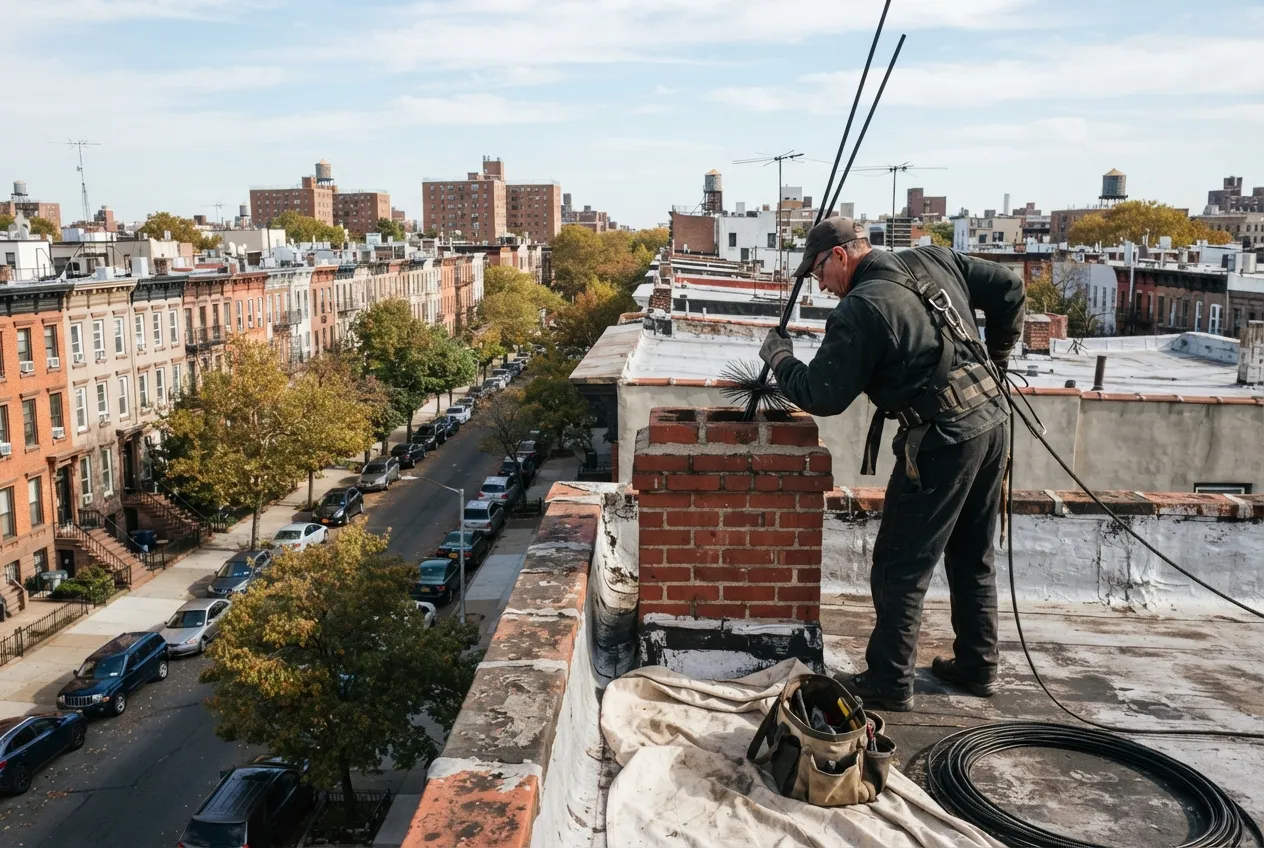
A chimney liner protects your masonry and keeps exhaust moving safely out of your home, and many older Boerum Hill chimneys either never had one or have one that has failed. SummitHearth's certified technicians inspect the flue, size the right liner for your fireplace, boiler or furnace, and install it, which is especially important when a building converts from oil to gas.
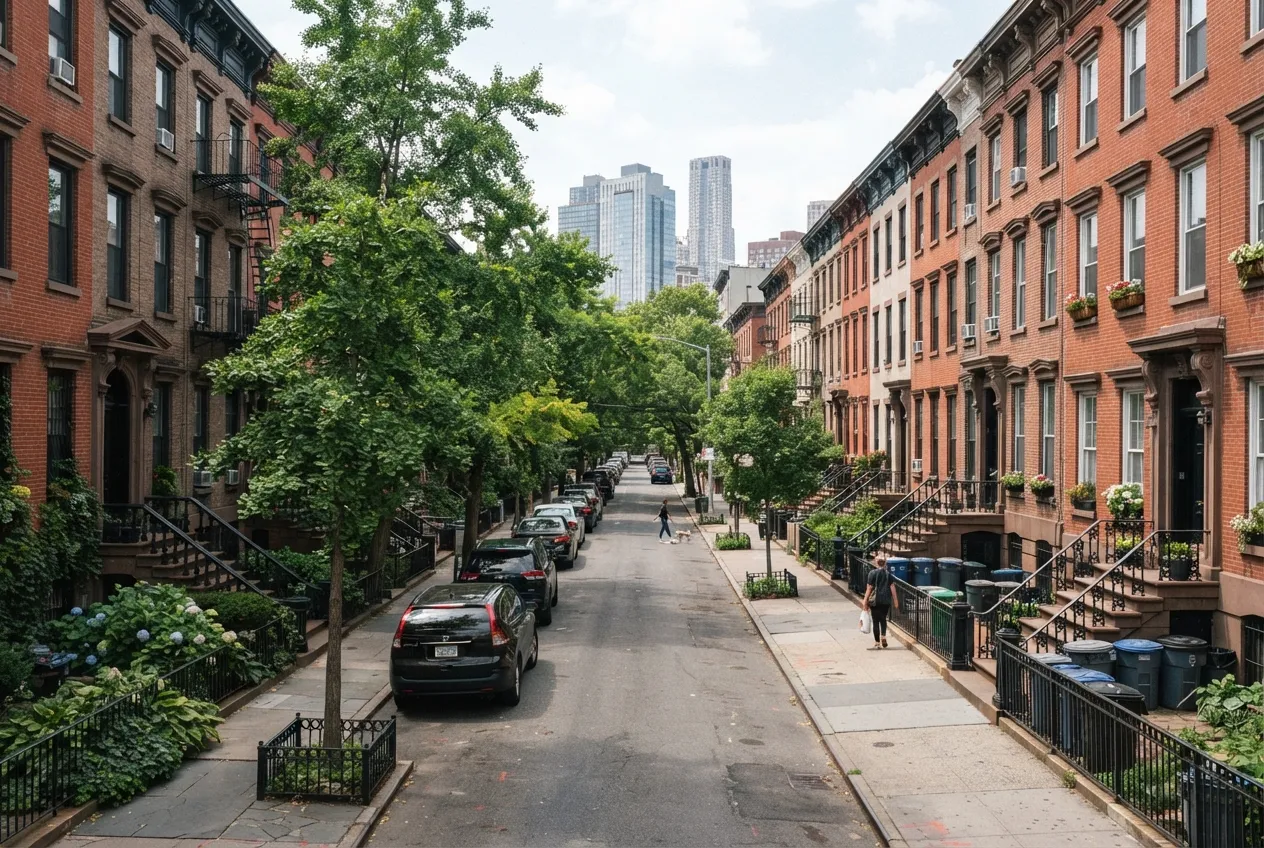
Many Boerum Hill homes were built long before modern chimney liners were common. Brownstones, rowhouses and pre-war apartment buildings often have masonry flues that were never lined, or that were lined with clay tile that has since cracked, shifted or lost mortar at the joints. A chimney liner is the protective channel inside the chimney that carries smoke and exhaust gases up and out of the house. When it's missing or damaged, heat and corrosive byproducts reach the brick and mortar, and exhaust can escape into places it shouldn't. SummitHearth installs chimney liners for homes across the neighborhood from our office at 451 Fulton St, so we're working close to home when we're on your roof.
Why Boerum Hill Chimneys Often Need a New Liner
Older Brooklyn chimneys were usually built as plain brick flues or lined with clay tile sections. Over decades, freeze-thaw cycles, settling and years of heating use can open gaps between tiles or crack them outright. You can't see this damage from the room or the roof, which is why a liner problem often comes to light only during an inspection or a heating system change.
In attached housing like rowhouses and brownstones, chimneys often run alongside or share walls with a neighboring home. A damaged flue can let heat, smoke or exhaust gases move into wall cavities or adjacent spaces. Relining restores a sealed path from the appliance to the top of the chimney.
- Cracked, missing or offset clay tile sections
- Crumbling mortar or debris falling into the firebox or boiler connection
- White staining, damp spots or odors on walls near the chimney
- A flue that's the wrong size for the appliance it now serves
Oil-to-Gas Conversions and Your Chimney
When a New York City building converts its boiler from oil to gas, the chimney has to be evaluated as part of the work. A new liner is often needed because gas exhaust produces acidic condensate that can corrode a masonry flue. An old flue that handled oil exhaust for years may not hold up once it starts carrying gas exhaust.
If you're planning a conversion in a Boerum Hill brownstone or small apartment building, it helps to bring us in early. We can evaluate the chimney, explain whether a liner is needed, and coordinate timing with your heating contractor so the chimney isn't holding up the rest of the project.
How Liner Installation Works
The NFPA 211 standard calls for chimneys, fireplaces and vents to be inspected once a year, and it describes three inspection levels. A Level 2 inspection applies when the system changes, such as a new appliance or a switch of fuel, or when a home is sold. That's typically where liner work starts, since we need to see the full length of the flue before recommending anything.
Once we know the condition and dimensions of the chimney, we match the liner to the appliance it will serve. A wood-burning fireplace, a gas boiler and a water heater each have different needs for liner material and diameter.
- Inspect the chimney, including a camera look inside the flue
- Measure the flue and confirm what appliance or appliances it serves
- Recommend a liner type and size, and explain why
- Clean the flue and clear debris before installation
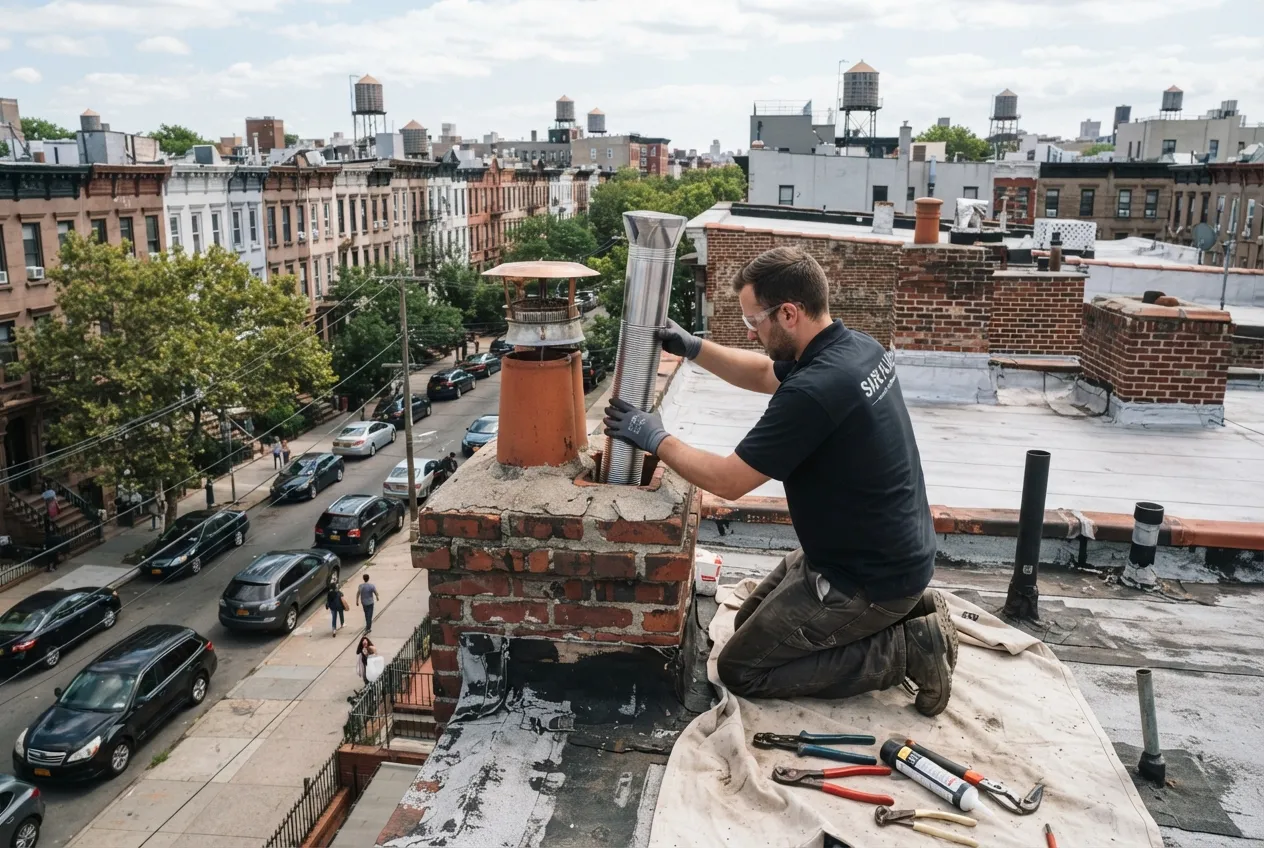
- Install the liner, connect it at the base, and seal and cap it at the top
- Check that the system drafts properly once it's connected
Time for your annual chimney check?
Planning Around Heat Season
New York City's heat season runs from October 1 through May 31, when building owners must keep apartments heated to the city's minimum temperatures. If you own a building with tenants, a boiler that can't run because of a chimney problem is a real issue during those months.
The easiest time to schedule liner work is late spring or summer, when the heating system can be shut down without affecting anyone. If a problem turns up during the heating season, we'll talk through your options and schedule the work as quickly as the job allows.
Serving Boerum Hill and Nearby Neighborhoods
Our technicians handle liner installation throughout Boerum Hill and ZIP code 11201, as well as nearby Downtown Brooklyn, DUMBO, Brooklyn Heights, Fort Greene and Clinton Hill. Whether you have a single-family brownstone, a rowhouse with a working fireplace, or a pre-war building with a central boiler, we'll look at your specific chimney and give you a clear explanation of what it needs.
More services in Boerum Hill
- Chimney Sweep in Boerum Hill
- Chimney Inspection in Boerum Hill
- Chimney Repair in Boerum Hill
- Air Duct Cleaning in Boerum Hill