The short answer
Boerum Hill homes should have their chimneys inspected once a year, as the NFPA 211 standard recommends, and more thoroughly when the heating system changes or the home is sold. SummitHearth's certified technicians, based at 451 Fulton St, handle Level 1, 2 and 3 inspections for brownstones, rowhouses and apartment buildings.
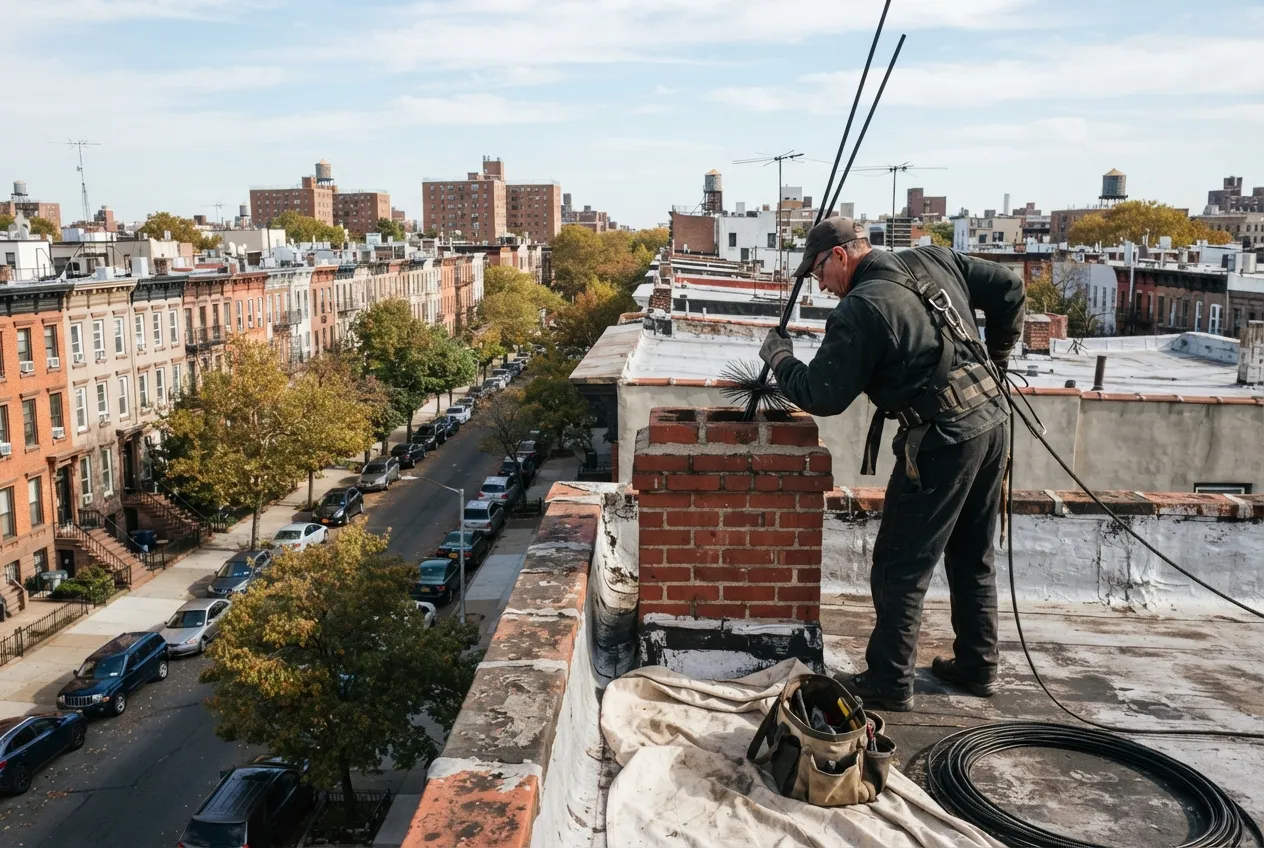
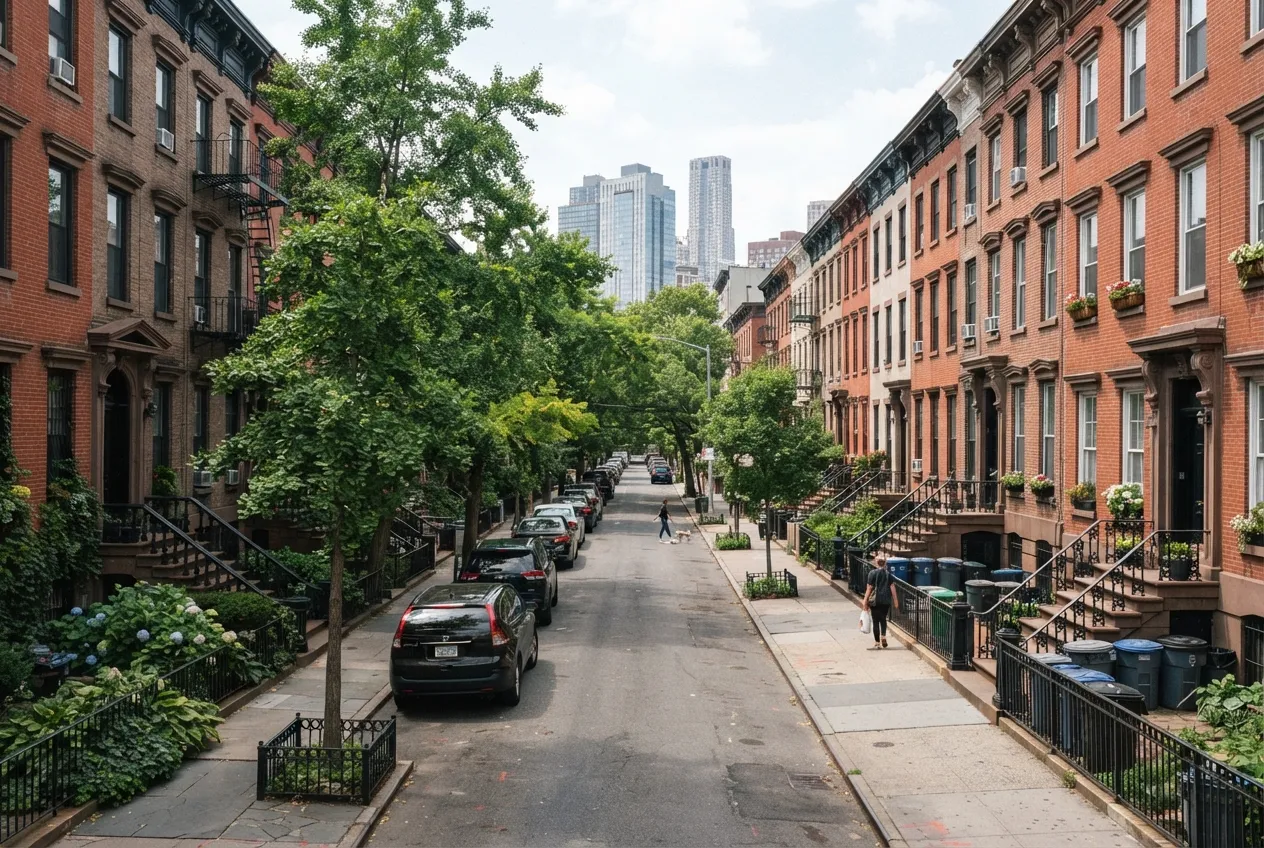
Boerum Hill's brownstones, rowhouses and pre-war apartment buildings were built around masonry chimneys, many of which have served coal, oil, gas and wood over the decades. That history is why a chimney inspection here is rarely routine. SummitHearth Chimney Services works out of our office at 451 Fulton St, right in the neighborhood, so our certified technicians can reach homes across ZIP 11201 easily. We inspect the flue, liner, crown, cap, firebox and connections, then tell you plainly what we found and what, if anything, needs attention.
Why Boerum Hill Chimneys Need a Closer Look
Older Brooklyn masonry tends to hide its problems. In a brownstone or rowhouse, a single chimney stack may carry several flues: one for a parlor fireplace, one for the boiler, and sometimes one that has been sealed off and forgotten. Shared party walls mean a crack or gap in one flue can affect more than one room, or more than one household.
Mortar joints wear down over many freeze-and-thaw winters, crowns crack, and clay liners can shift or break. None of this is obvious from the living room. An inspection looks at the parts you can't see so small repairs don't turn into large ones.
The Three Inspection Levels, Explained
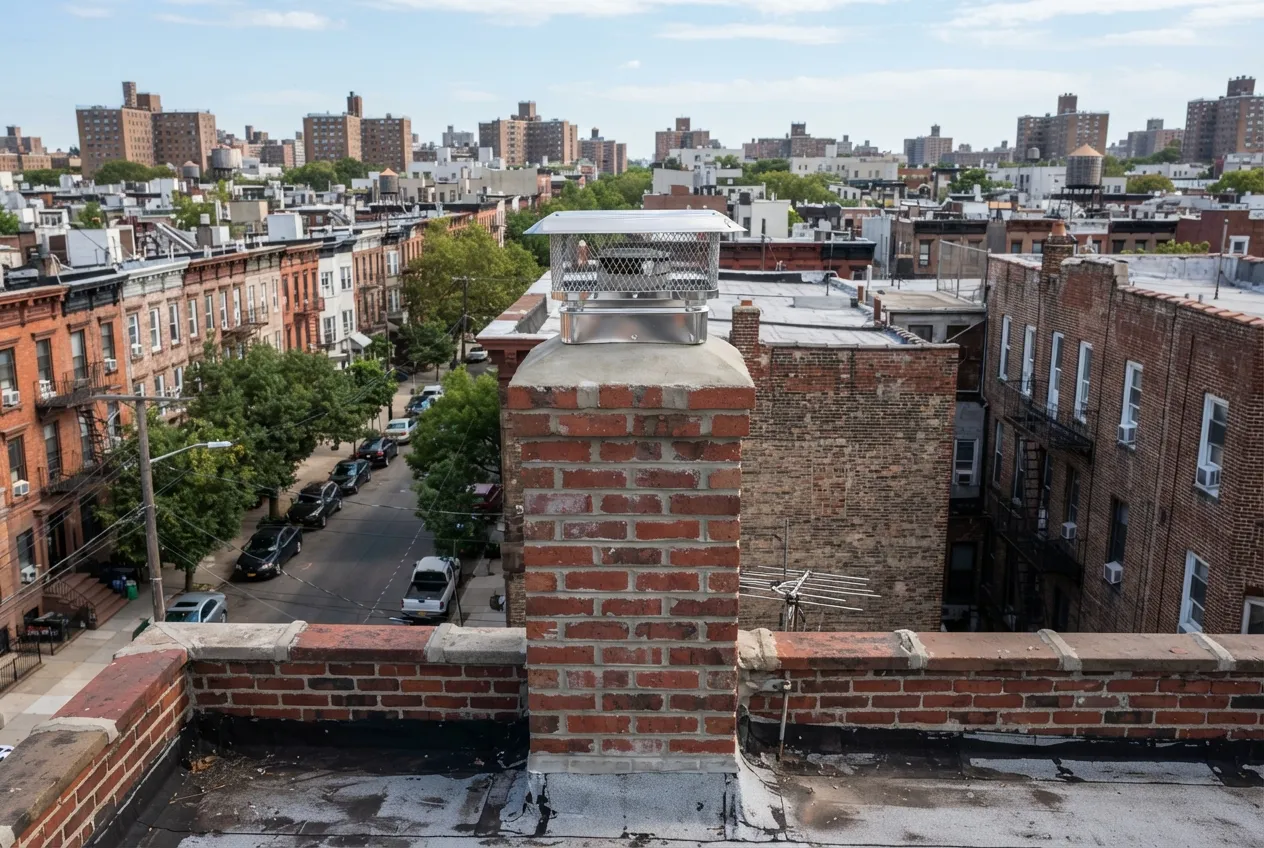
The NFPA 211 standard calls for chimneys, fireplaces and vents to be inspected once a year. Chimney professionals use three levels, and the right one depends on your situation:
- Level 1: For a chimney in regular use where nothing has changed. We check the readily accessible parts of the chimney, the firebox, damper and connections, and look for buildup, blockages and visible damage.
- Level 2: For when the system changes, such as a new boiler, water heater or insert, or a switch from one fuel to another, and when a home is being sold. This adds a camera scan of the flue interior plus attics, basements and crawl spaces where they're accessible.
- Level 3: For when a hidden hazard has to be reached by opening part of the chimney or the building, such as after a chimney fire or when an earlier inspection points to concealed damage. We only recommend this when the evidence calls for it.
Converting From Oil to Gas? Start With the Chimney
Many Boerum Hill buildings once burned heating oil. When a New York City building converts its boiler from oil to gas, the chimney has to be evaluated as part of the work. A new liner is often needed, because gas exhaust produces acidic condensate that can corrode an unlined or poorly lined masonry flue.
We perform a Level 2 inspection before or during a conversion, document the flue's condition, and explain whether the existing liner is suitable or a new one is needed. That gives you and your heating contractor a clear picture before the new boiler goes in.
Time for your annual chimney check?
Timing Around the Heat Season
New York City's heat season runs from October 1 through May 31, when building owners must keep apartments heated to the city's minimum temperatures. If you own a multifamily brownstone or a small apartment building, a boiler flue problem in January is more than an inconvenience.
Scheduling your inspection in late summer or early fall gives time to complete any repairs before the heating system runs every day. Fireplace owners benefit from the same timing, since a cap, damper or crown issue is easier to fix before the cold sets in.
What You Get After Your Inspection
When we finish, we walk you through what we saw and give you a written summary. For Level 2 inspections, that includes images from the flue camera so you can see conditions for yourself.
Our findings separate items that need prompt attention from ones you can plan for later. If everything looks sound, we'll say so. We also serve neighbors in Downtown Brooklyn, DUMBO, Brooklyn Heights, Fort Greene and Clinton Hill.
More services in Boerum Hill
- Chimney Sweep in Boerum Hill
- Chimney Repair in Boerum Hill
- Air Duct Cleaning in Boerum Hill
- Chimney Liner Installation in Boerum Hill