The short answer
Yes, SummitHearth serves Tribeca, Manhattan, including ZIP codes 10007, 10013, 10278 and 10279. We handle chimney sweeping, inspections, liners, repairs and rebuilding, as well as dryer vent and air duct cleaning. Booking before New York City's October 1 heat season start leaves time to finish repairs before the boiler runs daily.
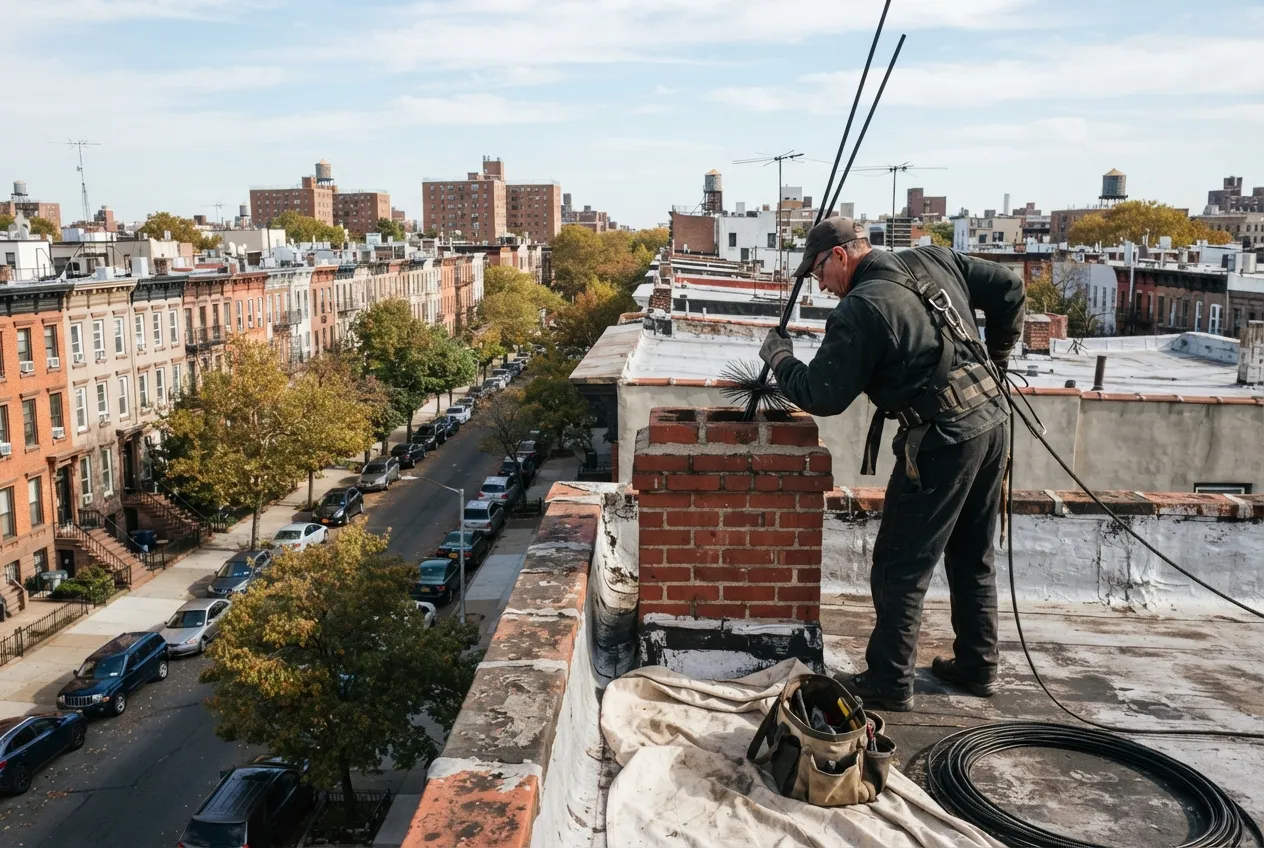
SummitHearth Chimney Services works in Tribeca, the Lower Manhattan neighborhood about 2 miles northwest of our office in Brooklyn. We clean, inspect and repair chimneys, fireplaces, dryer vents and air ducts for homeowners and building owners in ZIP codes 10007, 10013, 10278 and 10279. Many Tribeca homes are in older masonry buildings, including converted lofts, pre-war apartment buildings and townhouses. Their chimneys and flues have often served several generations of heating equipment. Our certified technicians keep those systems clean, dry and safe to use.
Older Masonry Buildings, Many Heating Changes
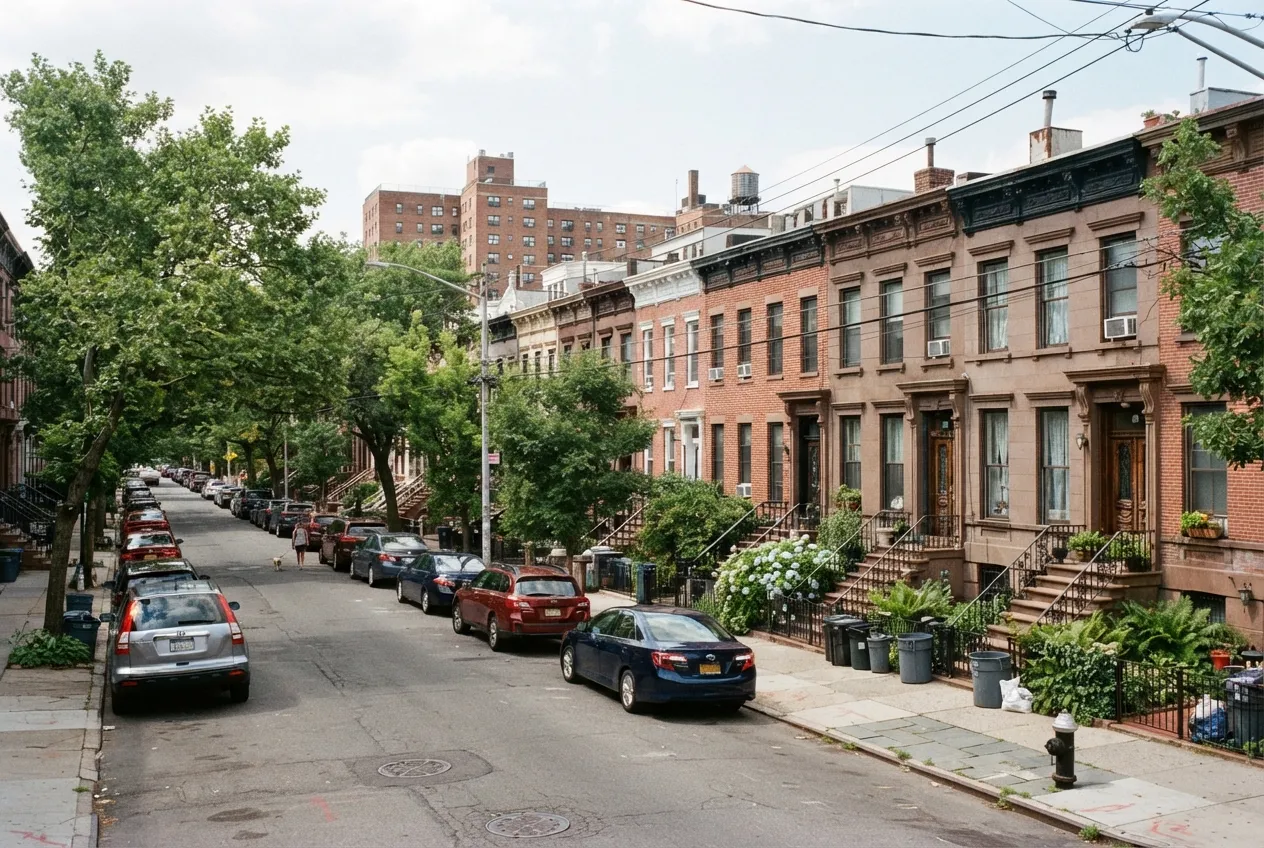
Most of Tribeca's housing is older masonry. That includes loft buildings converted to residences, pre-war apartment buildings, and a smaller number of rowhouses and townhouses. Many of these buildings went up long before today's appliances existed. Their chimneys have often been adapted more than once, from coal to oil and then from oil to gas. Some also gained a wood-burning or decorative fireplace during a renovation.
Each of those changes matters. Under the NFPA 211 standard, a new appliance or a switch of fuel calls for a Level 2 inspection, and so does the sale of a home. In New York City, converting a boiler from oil to gas requires the chimney to be evaluated as part of the work. Gas exhaust produces acidic condensate that can corrode a masonry flue, so a new chimney liner is often needed.
How New York Weather Wears Down Chimneys
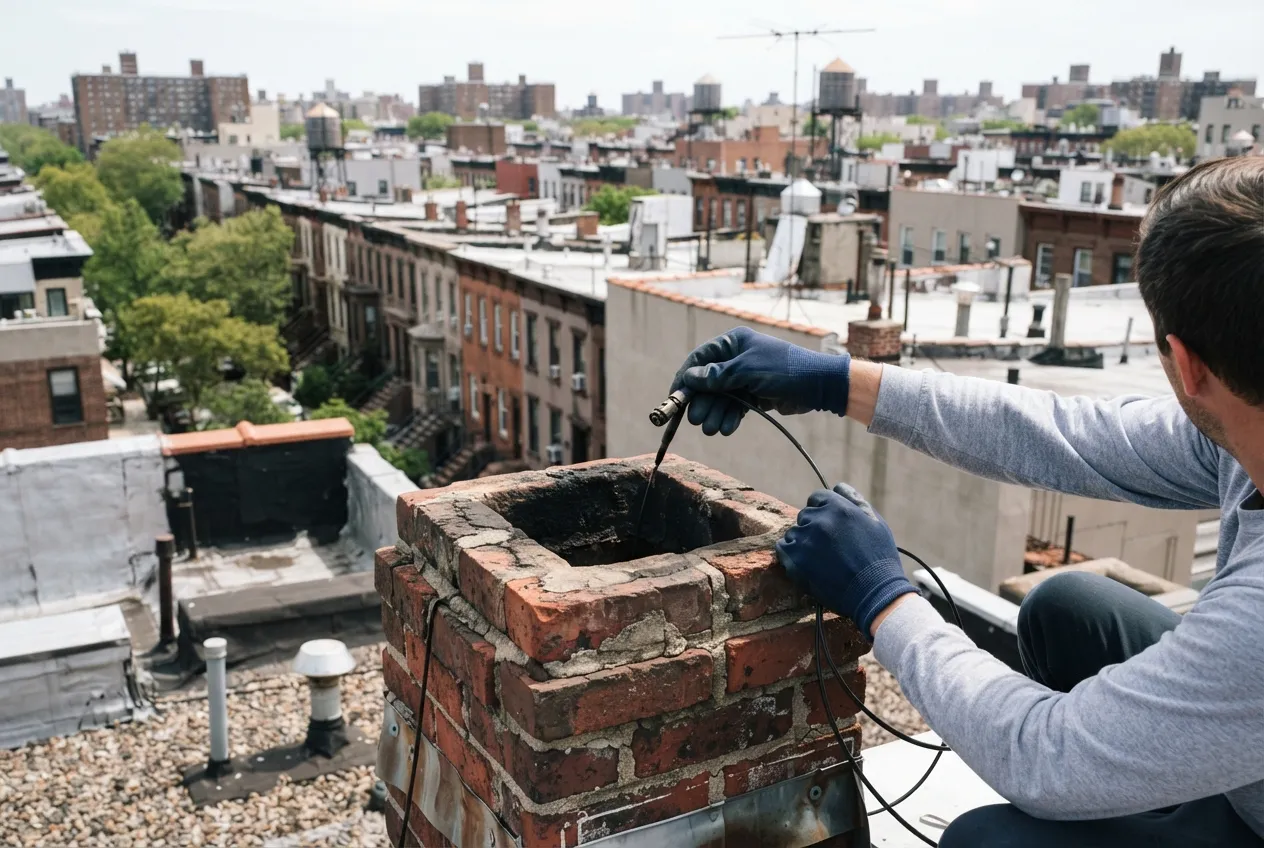
New York winters bring repeated freeze-thaw cycles. Water soaks into brick and mortar during fall rains, then expands when it freezes. Over time that loosens mortar joints, cracks chimney crowns and breaks off the faces of bricks. Nor'easters and summer thunderstorms drive rain sideways into exposed rooftop chimneys. Taller buildings near the waterfront also catch more wind than sheltered homes at street level.
Problems on a roof can stay hidden for a long time. They often show up later as a stained ceiling or a damp smell near the fireplace. During an inspection, we look for the source of the water, not just the damage it left behind. We check for:
- Cracked or missing chimney crowns
- Damaged or missing chimney caps and chase covers
- Open mortar joints and spalling brick
- Gaps in the flashing where the chimney meets the roof
- Moisture inside the flue, smoke chamber or firebox
Planning Around the Heat Season
New York City's heat season runs from October 1 through May 31. During that period, building owners must keep apartments heated to the city's minimum temperatures. If your heating system vents through a chimney, the flue needs to be clear and sound before October. A sweep and inspection in late summer or early fall leaves time for repairs such as a new liner, cap or damper before the boiler is running every day.
The NFPA 211 standard calls for chimneys, fireplaces and vents to be inspected once a year. A Level 1 inspection fits when nothing about the system has changed. A Level 3 inspection is reserved for cases where a hidden hazard can only be reached by opening part of the chimney or building.
Time for your annual chimney check?
Dryer Vents and Air Ducts in Lofts and Apartments
Dryer vents in apartments and lofts often run a long way through walls and ceilings before reaching an exterior wall or the roof. Lint collects along the whole route. According to the U.S. Fire Administration, failure to clean is the leading factor contributing to clothes dryer fires in homes. Warning signs include clothes that take longer to dry, a laundry area that feels unusually hot, and a burning smell.
For air ducts, we follow the U.S. EPA's guidance. Cleaning makes sense when there is substantial visible mold growth, vermin, or excessive dust and debris. The EPA notes that duct cleaning has not been shown to prevent health problems, so we don't claim it does. It also urges caution with chemical treatments. Before any work begins, we explain exactly what we plan to do and why.
Services We Offer in Tribeca and Nearby
We also serve Brooklyn neighborhoods close to our office, including Brooklyn Heights, Downtown Brooklyn, DUMBO, Boerum Hill and Fort Greene. Services available in Tribeca:
- Chimney Sweep
- Chimney Inspection
- Chimney Repair
- Chimney Liner Installation
- Chimney Cap & Chase Cover
- Chimney Waterproofing
- Fireplace & Damper Repair
- Chimney Rebuilding
- Dryer Vent Cleaning
- Air Duct Cleaning
ZIP codes we serve
- 10007
- 10013
- 10278
- 10279